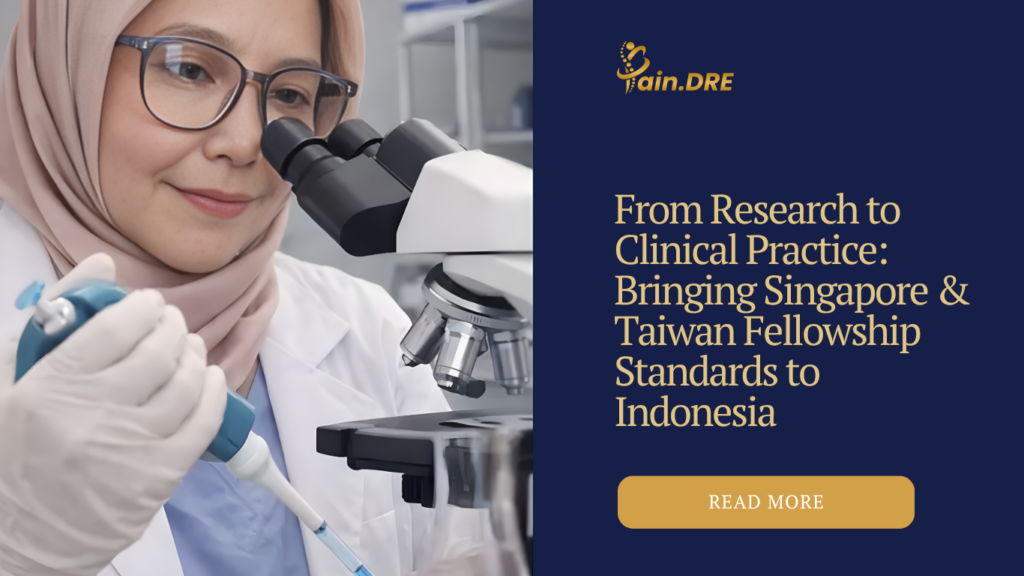

In the contemporary healthcare landscape, bridging the gap between academic laboratory research and daily clinical execution remains a significant challenge across developing nations. Many cutting-edge Interventional Pain Management (IPM) techniques validated by global clinical trials often take years to become accessible locally. Closing this gap requires active knowledge transfer through advanced clinical fellowship training at premier neuroscience centers worldwide.
By incorporating international clinical standards acquired from top global medical institutions in Asia – specifically in Singapore and Taiwan – precise neurological and pain management protocols are brought directly to Indonesia. Importing this expertise goes beyond acquiring advanced medical hardware; it transfers an evidence-based medicine (EBM) clinical methodology that prioritizes maximum safety for patients dealing with complex chronic pain without requiring major surgery.
The Need for International Standards in Neurological Interventions
The human nervous system features intricate anatomical pathways where a therapeutic needle deviation of mere millimeters can dramatically alter treatment efficacy. Relying purely on theoretical textbook knowledge is insufficient when managing entrapment neuropathies, severe radiculopathy, or chronic joint degeneration resistant to conventional pharmacotherapy.
Through advanced clinical fellowships at international centers, medical specialists undergo intensive training to master two core pillars of modern pain management:
Dynamic Diagnostic Accuracy: Evaluating individual anatomical variations to map pain generators in real time.
Minimally Invasive Interventional Skills: Executing targeted therapeutic procedures under advanced visual guidance to treat inflamed nerve centers while preserving surrounding healthy tissue.
Internalizing international clinical standards while prioritizing patient safety guides our daily medical practice. Read more about this academic background and clinical journey on our About Prof. Dessy page.
The Essence of Singapore Fellowships: Precision in Chronic Pain Care
Singapore is globally recognized as a medical excellence center governed by strict clinical regulations and standardized protocols. Advanced clinical training at renowned Pain Management Centers in Singapore provides a comprehensive foundation in multidisciplinary pain care.
Key areas of focus in Singapore’s global medical centers include structured multidisciplinary therapy, rational pharmacotherapy evaluation, and targeted nerve block techniques for post-surgical chronic pain and Post-Herpetic Neuralgia (PHN). Adopting these structured clinical management frameworks enables local care plans to run efficiently, minimizing trial-and-error while prioritizing long-term comfort. Review interventional procedures utilizing these standardized protocols on our Clinical Services directory.
Taiwan Fellowship Contributions: Advanced Musculoskeletal Ultrasound
Taiwan leads in developing dynamic visual imaging techniques using advanced Musculoskeletal Ultrasonography (MSK USG). Intensive training at premier medical institutions in Taiwan, such as National Taiwan University Hospital, demonstrates how high-resolution ultrasound can map peripheral nerve pathways at a micro-level.
Knowledge Transfer Pipeline:
Singapore & Taiwan Standards –> Procedural Standardization in Indonesia –> Targeted Non-Surgical Interventions
Integrating expertise acquired in Taiwan provides substantial diagnostic advantages in daily practice:
Dynamic Peripheral Nerve Visualization: Allows clinicians to observe nerve entrapment live as the patient moves the joint—a dynamic dimension static MRI scans cannot capture.
Targeted Regenerative Interventions: Ensures precise delivery of biological agents like Platelet-Rich Plasma (PRP) or hydrodissection fluids into constricted nerve sheaths.
Bridging Global Research into Local Medical Innovation
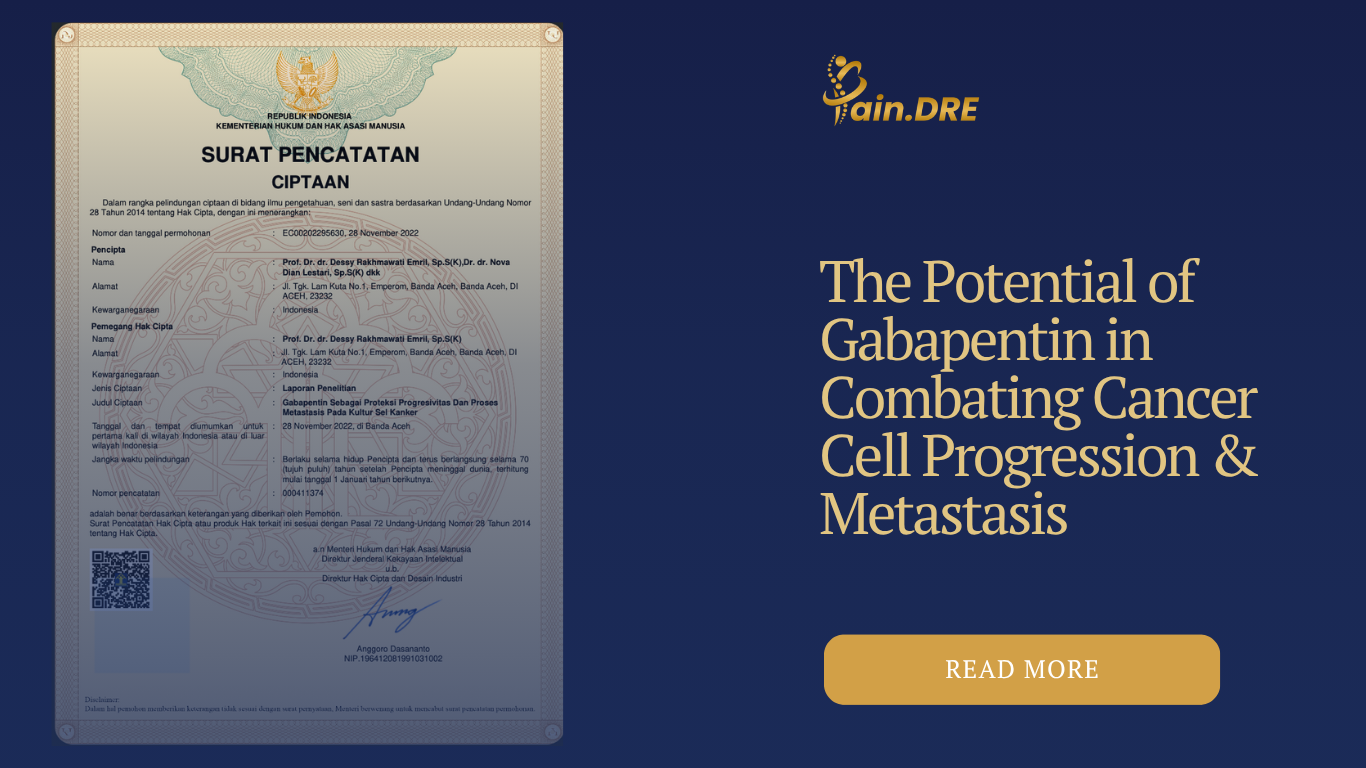
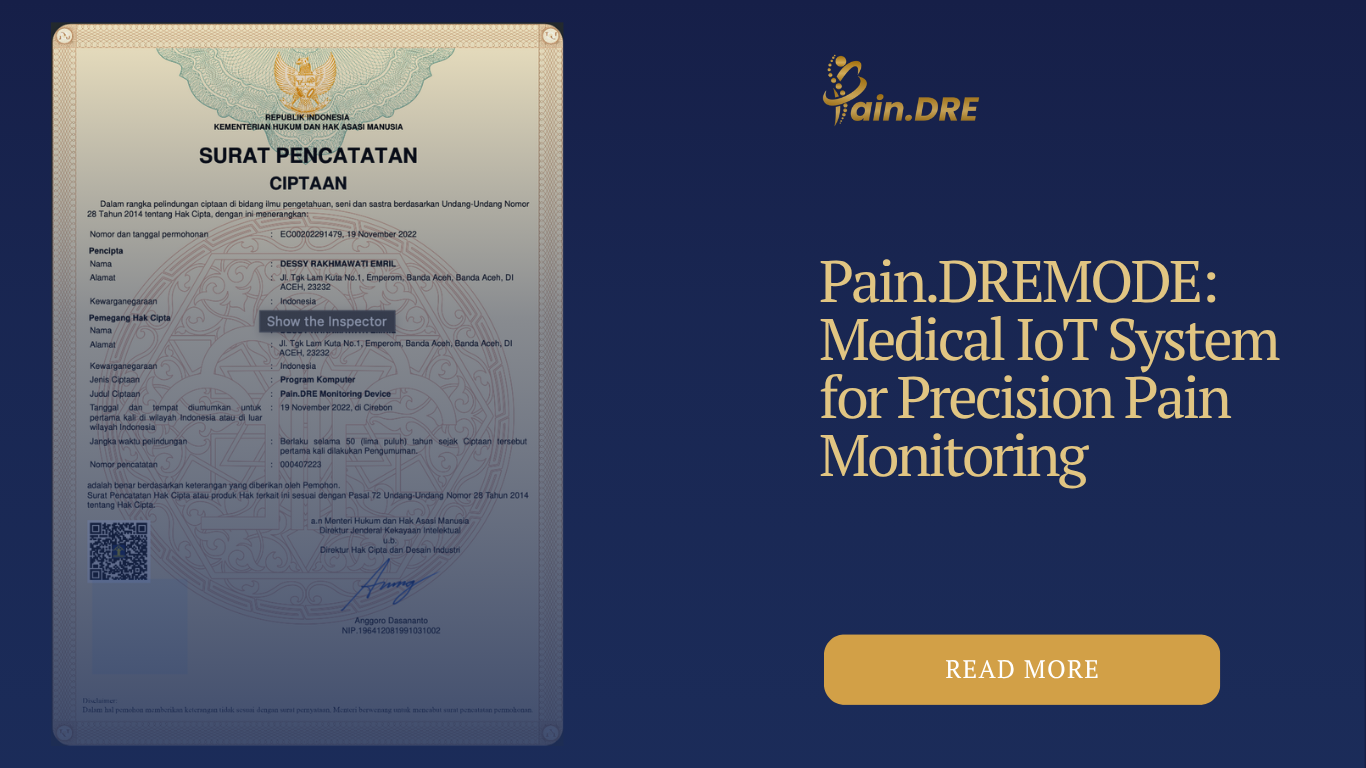
Bringing international standards home extends beyond clinical practice into active research contributions and continuous medical education. Interventional pain medicine evolves dynamically; publishing clinical studies in peer-reviewed journals (Scopus-indexed) remains an essential benchmark for maintaining high service quality.
Developing clinical decision-support tools, standardizing interventional training modules for Indonesian physicians, and securing official Intellectual Property Rights (IPR / HAKI) ensure these global fellowship standards take deep root in the domestic medical ecosystem. Explore our research publications, global neurology contributions, and medical innovation portfolio on our Innovation & Achievements page.
The Impact of Standardization on Functional Recovery
The true test of international competency standards lies in functional recovery and patient outcomes. Patients with chronic pain who previously faced severe mobility limitations often experience life-changing functional improvements after receiving interventions built on globally validated protocols.
Restoring physical function – from walking comfortably without pain to reducing dependence on high-dose analgesics – highlights the importance of precise, evidence-based care. Documented recovery journeys of individuals treated under these international pain management standards can be explored on our Success Stories page.
World-Class Pain Management, Accessible Locally
International fellowship training from Asia’s leading medical centers ensures Indonesian patients no longer need to travel abroad for precision neurological care. Integrating global research with safe clinical application brings advanced, non-surgical interventional procedures directly to you.
If you or a family member are struggling with chronic nerve pain that restricts daily life and requires an international-standard diagnostic evaluation, consult directly with our team. Schedule your clinical appointment on our Contact Us page. Accurate diagnostic mapping today serves as the foundation for your long-term health tomorrow.
Disclaimer: The information provided in this article is for general educational purposes only and does not substitute for professional medical advice, diagnosis, or treatment by a qualified neurology specialist. Never disregard professional medical advice or delay seeking it because of something you have read on this website. For an accurate assessment of your health condition, please schedule an appointment directly at Prof. Dessy’s Practice.