
For decades, the conventional medical management paradigm for severe chronic joint damage and oncological (cancer) pain relied primarily on static palliative strategies. Patients were typically directed to depend on long-term combinations of analgesic medications, corticosteroids, and high-dose opioids to suppress pain perception in the brain. Unfortunately, purely pharmacological interventions serve only as a temporary curtain masking symptoms, lacking the biological capability to halt tissue degradation or repair the structural integrity causing the pain.
Modern medicine, however, is undergoing a fundamental shift that brings a promising new era to neurology and pain management. Through rapid advancements in regenerative medicine, therapeutic focus has transitioned from merely managing pain to actively supporting the body’s natural cellular repair mechanisms. By integrating cutting-edge technologies like cell-based therapies and targeted biological engineering, this approach addresses underlying pathologies sustainably, safely, and without major surgery.
Unpacking the Concept of Regenerative Medicine in Pain Management
Fundamentally, regenerative medicine utilizes the body’s intrinsic biomedical potential for cellular repair. When structures like tendons, ligaments, articular cartilage, or nerve sheaths sustain chronic injury, minimal local blood supply often impedes natural healing. Consequently, the inflammatory phase becomes prolonged, triggering persistent chronic pain.
Within non-surgical interventional care, regenerative medicine concentrates growth factors or stem cells directly into the epicenter of anatomical damage. Key regenerative modalities currently undergoing intensive clinical research include:
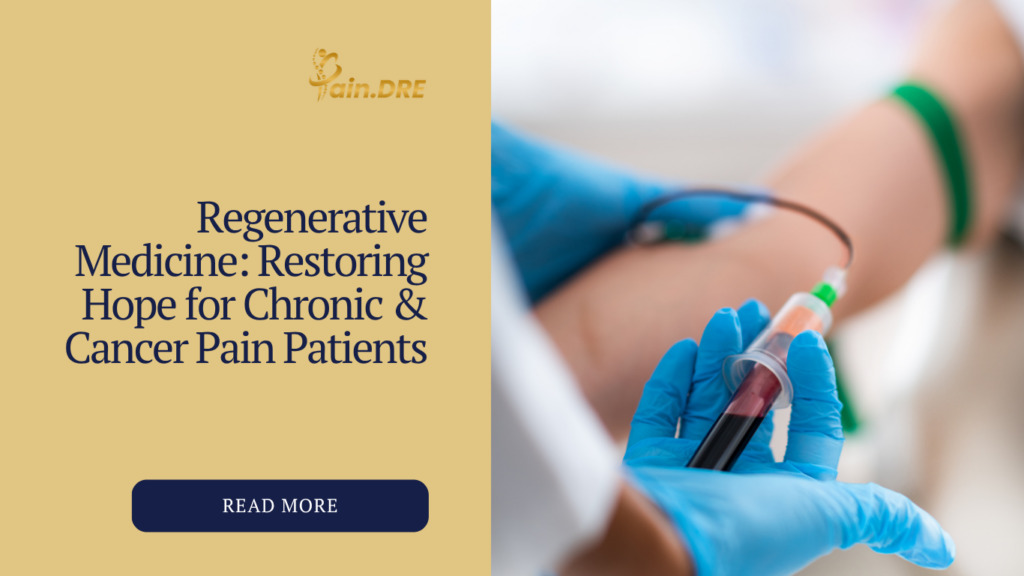
- Platelet-Rich Plasma (PRP) Therapy: Utilizing the patient’s own blood plasma, centrifuged to concentrate platelets rich in growth factors to stimulate connective tissue healing responses.
- Targeted Cell-Based Therapy: Deploying cellular matrices or stem cells capable of differentiation to rebuild degenerated micro-environments.
- Holo Therapy & Modulated Adjuvant Care: A holistic medical framework combining physical regenerative modalities with neurological stimulation to optimize local tissue metabolism and circulation.
This integrative approach prioritizes patient safety and long-term comfort, serving as a core element of our medical care philosophy. Learn more on our About Prof. Dessy page.
Breakthroughs in Cancer (Oncology) Pain: Enhancing Quality of Life
Pain in cancer patients is among the most complex challenges in clinical medicine. It can stem from tumor mass pressure on healthy nerve pathways, bone tissue infiltration, or side effects of oncological treatments such as chemotherapy-induced peripheral neuropathy (CIPN).
Regenerative medicine and Interventional Pain Management (IPM) play a vital supportive role here. In cancer pain management, the objective is not to replace primary oncological treatment, but to target pain signal blockades and restore supporting tissue around lesions. By significantly alleviating local pain intensity, cancer patients can undergo their primary treatments with improved physical stamina, psychological well-being, and overall quality of life.
Precision Ultrasound Guidance: The Key to Safe Regenerative Interventions
Injecting regenerative biomaterials without guidance cannot deliver optimal clinical outcomes. Standardized modern procedures mandate high-resolution, real-time ultrasonography (USG) throughout interventional procedures.
Precision Procedural Workflow:
Tissue/Nerve Damage –> Real-Time USG Visualization –> Millimeter Needle Accuracy –> Targeted Biomaterial Injection
Ultrasound guidance ensures needle placement achieves millimeter accuracy, avoiding critical blood vessels and depositing regenerative materials (such as PRP or cellular components) precisely into tendon tears or joint spaces. Without precise visual guidance, injection inaccuracy increases and tissue regeneration potential drops. Review our diagnostic and interventional offerings on our Clinical Services page.
Scientific Foundation and Intellectual Property (IPR / HAKI) Recognition
Implementing regenerative medicine requires rigorous scientific validation to ensure patient safety and procedure efficacy. Medical advancements demand that every biological therapy rests upon evidence-based medicine (EBM) standards and peer-reviewed research.
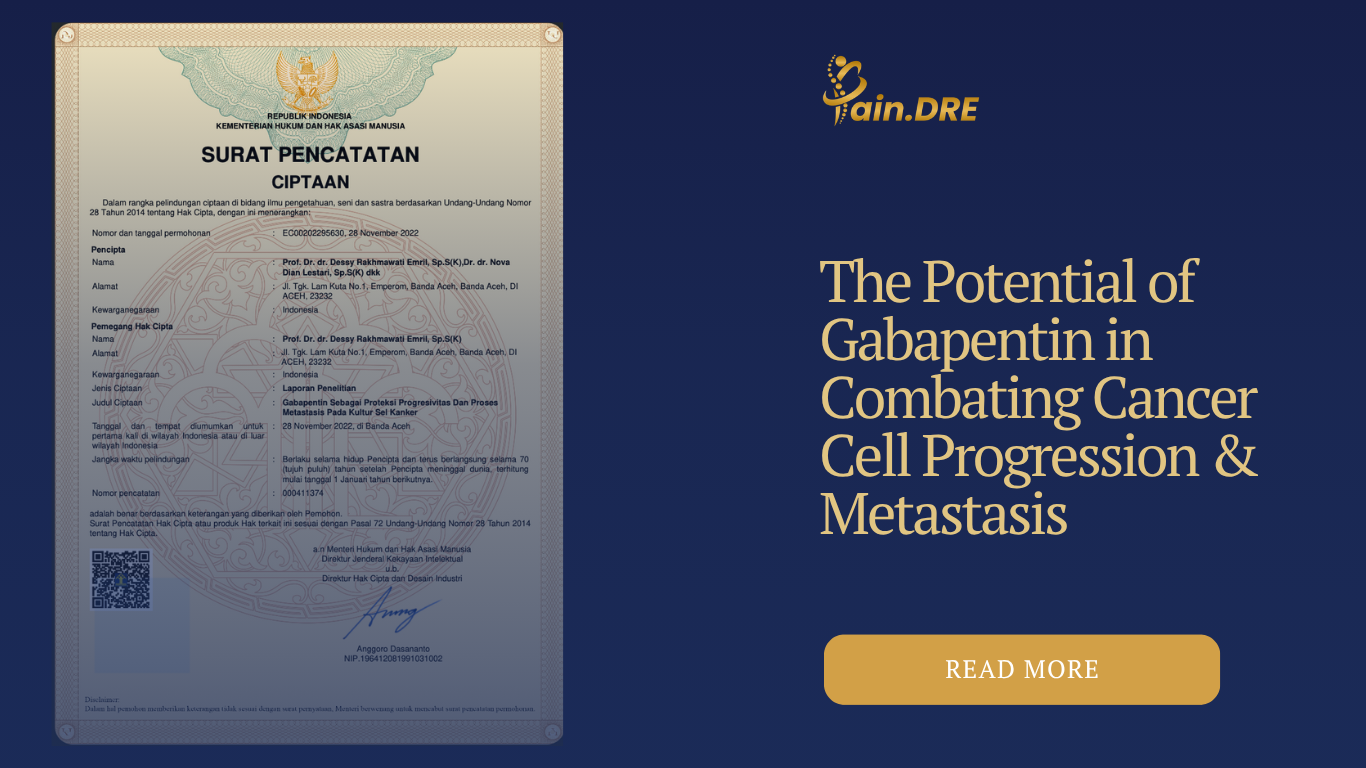
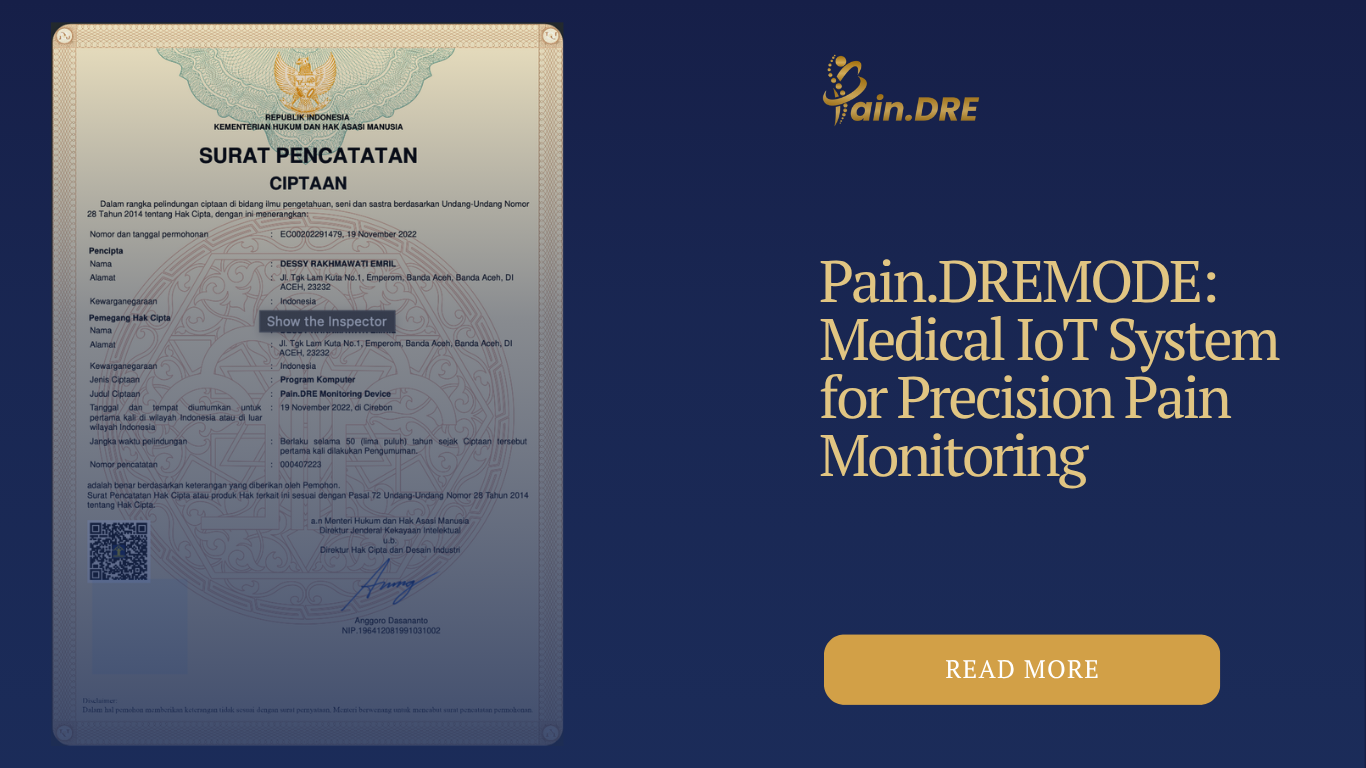
Developing digital monitoring tools and proprietary clinical methodologies enables clinicians to evaluate tissue recovery objectively. Integrating international academic research with official Intellectual Property Rights (IPR / HAKI) elevates care standards into personalized, measurable outcomes. Access scientific publications, clinical trial data, and medical patents transparently on our Innovation & Achievements page.
Real Clinical Outcomes: Patient Journeys to Functional Recovery
The true test of regenerative medicine lies in its long-term impact on patient mobility and independence. For patients previously facing limited mobility or endless pain medication cycles, targeted regenerative therapy provides a path toward functional recovery.
Tracking clinical outcomes demonstrates that precise regenerative interventions help patients reclaim daily function, reduce reliance on systemic medications, and improve long-term physical capacity. Explore patient recovery documentation and clinical progress reports on our Success Stories page.
Step into the Future of Regenerative Recovery
Chronic joint degeneration and oncology-related pain do not have to mean a lifetime of passive pain management. Embracing regenerative solutions grounded in precise neurological evaluation opens new possibilities for structural healing and lasting relief.
If you or a family member are seeking advanced, non-surgical pain management solutions, schedule a comprehensive clinical evaluation with our medical team. Reach out directly on our Contact Us page.
Disclaimer: The information provided in this article is for general educational purposes only and does not substitute for professional medical advice, diagnosis, or treatment by a qualified neurology specialist. Never disregard professional medical advice or delay seeking it because of something you have read on this website. For an accurate assessment of your health condition, please schedule an appointment directly at Prof. Dessy’s Practice.