Day: August 15, 2026

  • Medical Exploration: The Potential of Gabapentin in Protecting Against Cancer Cell Progression and Metastasis

    Medical Exploration: The Potential of Gabapentin in Protecting Against Cancer Cell Progression and Metastasis

    In modern oncology discourse, managing chronic pain in cancer patients is a crucial pillar that determines quality of life during primary therapies such as chemotherapy, radiotherapy, or surgical tumor resections. Among the most challenging conditions to treat is neuropathic cancer pain. This pain arises either from direct tumor infiltration into peripheral nerve bundles or as a secondary toxic effect of chemotherapeutic agents that cause nerve fiber damage (chemotherapy-induced peripheral neuropathy, or CIPN).

    Conventionally, the first-line pharmacological treatment used to suppress hyper-sensitization in neural circuits is Gabapentin. Gabapentin acts specifically as a ligand at the $\alpha_2\delta$ subunit of voltage-gated calcium channels in the central nervous system, effectively decreasing the release of excitatory neurotransmitters that trigger chronic pain signals.

    However, a compelling scientific question arises: Is Gabapentin’s role in oncology care strictly limited to passive pain relief? Or does this molecule possess hidden biological interactions within the tumor microenvironment itself?

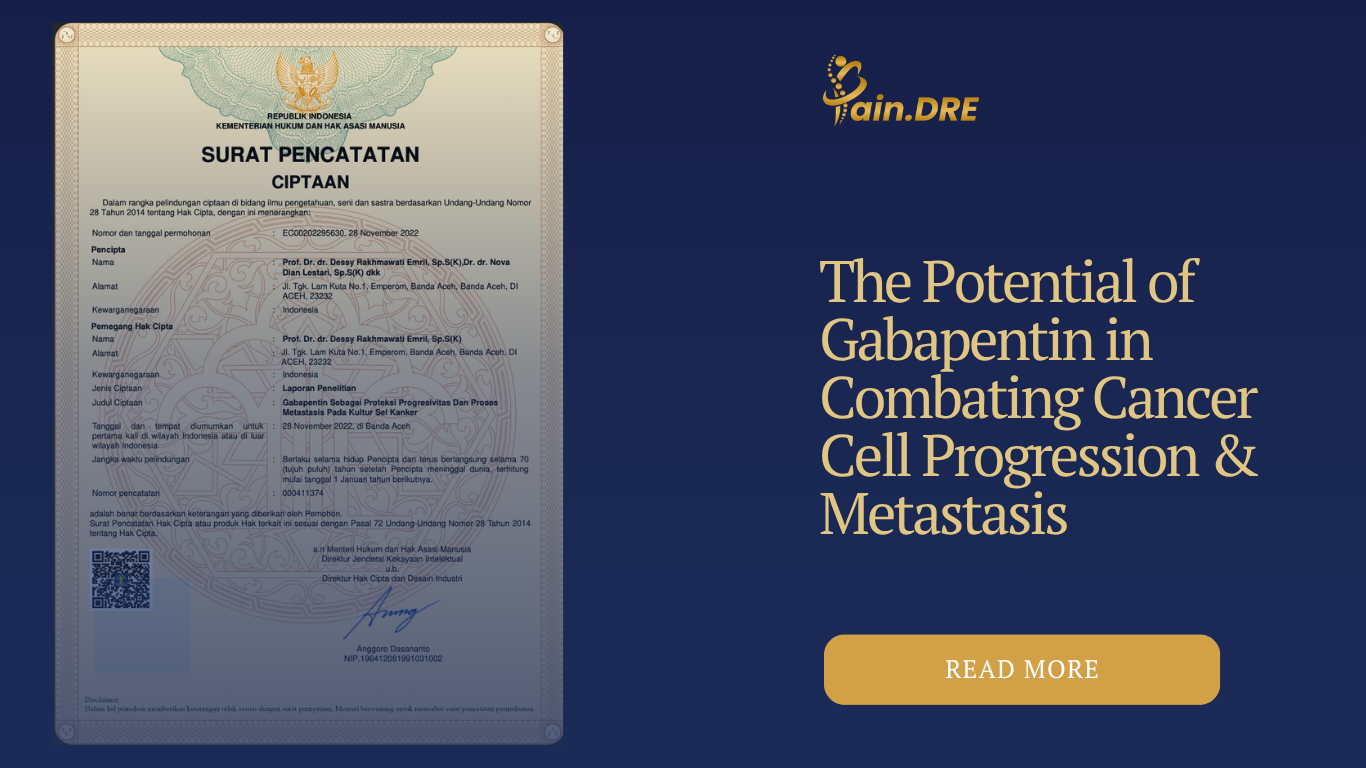
    Addressing this academic challenge, a groundbreaking research collaboration was conducted in Indonesia. Senior neurology expert Prof. Dr. dr. Dessy R. Emril, Sp.N(K), alongside Dr. dr. Nova Dian Lestari, Sp.S(K), Dr. dr. Rachmad Suhanda, M.Kes, and dr. Meutia Maulina, M.Si, executed a laboratory-scale study exploring a new dimension of this medication. This landmark research report, titled “Gabapentin as Protection Against Progression and Metastasis Processes in Cancer Cell Cultures,” is officially registered under the Ministry of Law and Human Rights of the Republic of Indonesia with Copyright Registration No. 000411374.

    Through the Pain.DRE platform, we analyze the scientific foundation, research methodology, and clinical implications of these findings objectively and with medical accuracy.

    Scientific Foundation: Linking Neural Pathways to Cancer Progression

    To understand the correlation in this Gabapentin-cancer research, the international research community has increasingly focused on the field of Neuro-Oncology. This discipline investigates how cancer cells hijack surrounding neural pathways and neurotransmitters to grow, invade healthy tissue, and metastasize (spread to other organs).

    Voltage-gated calcium channel subunits – the primary target of Gabapentin – are not exclusively expressed in brain and spinal cord tissues. Molecular pathology studies demonstrate that these calcium channel subunits also undergo overexpression across various solid cancer cell cultures. Excessive calcium ion influx into cancer cells triggers intracellular signaling cascades that promote:

    • Maladaptive Cellular Proliferation: Accelerating uncontrolled cancer cell division.
    • Tissue Migration and Invasion: Enhancing the ability of cancer cells to penetrate the extracellular matrix and migrate toward adjacent blood vessels.
    • Metastasis Processes: Facilitating detached cancer cells to survive within the bloodstream and establish secondary colonies in distant organs.

    Grounded in this biological background, Prof. Dr. dr. Dessy R. Emril, Sp.N(K) and her team conducted laboratory testing on cancer cell cultures to observe whether blocking calcium channel pathways with Gabapentin exerts a protective or inhibitory effect against aggressive tumor cell behavior.

    Laboratory Research Methodology and Preliminary Findings

    This research led by Prof. Dr. dr. Dessy R. Emril, Sp.N(K) focused on in vitro observations within integrated educational and research laboratories, involving academic institutions including the Faculty of Medicine at Syiah Kuala University (FK USK) and Dr. Zainoel Abidin Regional General Hospital (RSUZA) Banda Aceh.

    Under strictly controlled laboratory conditions, cancer cell cultures were exposed to Gabapentin molecules across various concentration levels tailored to human therapeutic ranges. Primary parameters measured in this study included:

    • Cancer cell viability rates and proliferation indices post-drug exposure.
    • Horizontal cancer cell migration capabilities using scratch assays to simulate early metastatic potential.
    • Molecular modulation suitability along the tumor cells’ voltage-gated calcium channel pathways.

    The findings from this research report demonstrate promising outcomes. Gabapentin exhibited clinical potential in protecting tissues against aggressive progression and inhibiting key phases of the metastatic process at the laboratory cell culture level. This suppressive effect strongly indicates that managing neuropathic pain with Gabapentin in advanced cancer patients potentially delivers a dual benefit: dampening neuropathic pain suffering while offering added cellular-level protection against tumor expansion.

    Clinical Authority & International Track Record of Prof. Dessy Emril

    The commitment of Prof. Dessy’s Practice to advancing biomedical research stems directly from the innovator’s extensive career. As a highly reputed Neurologist in Banda Aceh, Prof. Dr. dr. Dessy R. Emril, Sp.N(K) has served as the Chair of the Pain Study Group of the Indonesian Neurological Association (PERDOSNI) since 2019.

    Her international track record is backed by an extensive academic fellowship portfolio:

    • Singapore Fellowship: Pain Management Center, Singapore General Hospital (2009).
    • Taiwan Fellowship: Musculoskeletal Ultrasound, National Taiwan University Hospital (2016).

    As part of the Interventional Pain Management policy formulation team for the Indonesian College of Neurology and the Indonesian Medical Council (KKI), as well as an active contributor with over 52 international scientific publications in pain management, every scientific insight published on Pain.DRE carries validated medical authority.

    Clinical Boundaries and Medical Ethics: Avoiding Unsubstantiated Claims

    To maintain medical accuracy and ethical standards, it is essential for the public and research communities to understand the scope of these research findings responsibly:

    Medical Disclaimer & Research Boundaries:

    • Cell Culture Level Research (In Vitro): This study was conducted on cell culture media in a laboratory – an indispensable initial step in pharmacological science. While it provides a strong scientific foundation, further clinical trial phases in living organisms (in vivo) are required before drawing definitive oncological treatment conclusions.
    • Not a Replacement for Primary Cancer Therapy: In current oncological protocols, Gabapentin remains an adjuvant therapy for managing cancer-related neuropathic pain, not a substitute for primary regimens such as surgical tumor resection, chemotherapy, or radiotherapy prescribed by your oncology team.
    • Requires Specialist Supervision: Dosage regulation, administration, and titration of Gabapentin must be strictly monitored by a Neurologist to prevent adverse side effects.

    Frequently Asked Questions (FAQ) – Gabapentin Cancer Research

    • Which researchers were involved in this Gabapentin research report?This study was led by Prof. Dr. dr. Dessy R. Emril, Sp.N(K) in collaboration with senior academic researchers from FK USK: Dr. dr. Nova Dian Lestari, Sp.S(K), Dr. dr. Rachmad Suhanda, M.Kes, and dr. Meutia Maulina, M.Si.
    • Can cancer patients in Banda Aceh receive this therapy for pain management?Yes. Prescribing Gabapentin to relieve nerve compression and neuropathic pain caused by cancer infiltration is a standard medical procedure applied at Prof. Dessy’s Practice and Dr. Zainoel Abidin Regional General Hospital (RSUZA) Banda Aceh.
    • How does Gabapentin inhibit cancer cell spread in laboratory settings?Gabapentin works by blocking voltage-gated calcium channel subunits on tumor cell membranes. This blockade inhibits the influx of calcium ions required by cancer cells to divide and migrate through healthy tissues.

    Moving Forward with Evidence-Based Pain Care

    Research into Gabapentin’s potential by Prof. Dr. dr. Dessy R. Emril, Sp.N(K) underscores her role as a scientific innovator contributing to neurological advancements. Through rigorous research dedication, clinical care at our practice remains rooted in evidence-based medicine (EBM), prioritizing high standards of safety for every patient.

    For medical peers, researchers, or patients interested in exploring our research portfolio and clinical competencies further, feel free to browse our Publication Archive & Research Hub or view our official certifications on our Innovation & Achievements page.

    If you or a family member are struggling with chronic pain, neuropathic pain from nerve disorders, or post-cancer therapy pain complications, our team is here to assist. Visit our About Prof. Dessy page to understand our care philosophy, or book a comprehensive consultation via our Clinical Services directory at Pain.DRE in Banda Aceh today.

    Disclaimer: The information provided in this article is for general educational purposes only and does not substitute for professional medical advice, diagnosis, or treatment by a qualified neurology specialist. Never disregard professional medical advice or delay seeking it because of something you have read on this website. For an accurate assessment of your health condition, please schedule an appointment directly at Prof. Dessy’s Practice.

    • Frequent Numbness and Weakness in Hands? Beware of Carpal Tunnel Syndrome (CTS) Symptoms

      Frequent Numbness and Weakness in Hands? Beware of Carpal Tunnel Syndrome (CTS) Symptoms

      Have you ever felt numbness, tingling, or a complete loss of sensation in your fingers while riding a motorcycle, driving a car, or holding your smartphone for an extended period? Physical complaints like these are extremely common and are often brushed off as mere muscle fatigue or poor blood circulation caused by an awkward grip.

      However, if these tingling sensations occur repeatedly, persist, or begin to be accompanied by hand weakness when holding a water dipper or turning a key, you need to be cautious. From a neurological perspective, these symptoms are classic clinical indicators of peripheral nerve compression, known medically as Carpal Tunnel Syndrome (CTS).

      At Prof. Dessy’s Practice in Banda Aceh, chronic hand numbness and tingling are among the most frequently treated conditions. Through Pain.DRE’s integrative approach, let’s explore the pathophysiology of CTS, its key risk factors, and modern non-surgical treatment methods to restore nerve function without resorting to open surgery.

      Pathophysiology: Why Do Hands Go Numb While Driving?

      To understand why driving is a major trigger for hand numbness, we must look at the anatomical structure of the human wrist. On the palmar side of the wrist lies a narrow passageway called the carpal tunnel. This canal is bordered by carpal bones and a dense, rigid ligamentous roof (the transverse carpal ligament).

      Passing through this narrow space are nine flexor muscle tendons and one major nerve trunk: the median nerve. The median nerve provides sensory perception and motor control to the thumb, index finger, middle finger, and half of the ring finger.

      When riding a motorcycle or holding a smartphone, the wrist is often held in sustained flexion or extreme extension combined with constant engine vibrations. This mechanical stress elevates hydrostatic pressure within the carpal tunnel, thickens surrounding ligamentous tissue, or causes tendon inflammation. Consequently, the median nerve becomes compressed and deprived of adequate oxygen delivery, presenting as tingling, numbness, and radiating pain.

      Key Risk Factors for Carpal Tunnel Syndrome (CTS)

      While repetitive wrist activities serve as the primary mechanical trigger, several other clinical risk factors accelerate nerve compression within the carpal tunnel:

      • Repetitive Occupational Tasks: Office workers typing for long hours, tailors, baristas, ride-hailing drivers, and individuals performing heavy manual household chores.
      • Anatomical Predispositions: Naturally narrower carpal tunnel dimensions due to congenital structural variation.
      • Systemic Medical Conditions: Metabolic conditions such as Diabetes Mellitus (where elevated blood sugar lowers nerve mechanical stress thresholds), Rheumatoid Arthritis (joint inflammation), thyroid disorders, or fluid retention during pregnancy.

      Non-Surgical CTS Management Strategies at Pain.DRE

      Many patients postpone visiting a Neurologist out of fear that a CTS diagnosis automatically requires surgical cutting of the wrist ligament. Fortunately, advancements in Interventional Pain Medicine (IPM) allow the majority of mild-to-moderate CTS cases to be completely resolved through non-surgical means.

      At Prof. Dessy’s Practice, initial care always centers around precise diagnosis. Our senior specialist, Prof. Dr. dr. Dessy R. Emril, Sp.N(K), evaluates median nerve morphology objectively using high-resolution musculoskeletal ultrasound (USG) scanning to measure the exact degree of nerve swelling inside the canal.

      Once an accurate diagnosis is confirmed, effective non-surgical options at Pain.DRE include:

      • Relevant Immobilization (Splinting): Wearing a specialized wrist splint at night keeps the wrist in a neutral position, minimizing internal pressure on the nerve during sleep.
      • USG-Guided Hydrodissection Therapy: An advanced, minimally invasive procedure where a therapeutic fluid is injected with extreme precision under real-time ultrasound guidance to release adhesions compressing the median nerve. This therapy rapidly relieves tingling sensations.
      • Regenerative Medical Therapy: Utilizing natural cellular healing cascades to repair nerve sheath structures that have suffered chronic irritation.

      When Should You Consult a Neurologist?

      Never ignore recurrent hand numbness experienced while driving. Leaving nerve compression unaddressed for long periods risks progressing to irreversible thenar muscle atrophy (wasting of the muscle mass at the base of the thumb). This condition presents as a sunken thumb pad and permanent loss of motor pinch and grip strength.

      If you experience radiating tingling or persistent hand numbness that compromises your daily comfort, schedule a comprehensive clinical evaluation with our specialist team.

      Explore our academic research background on our Publication Archive & Research Hub page and review our global academic credentials on our Innovation & Achievements menu.

      To read about physical recovery journeys from patients who achieved relief from chronic wrist pain, explore our Success Stories directory. To schedule a direct diagnostic appointment in Banda Aceh, visit our interactive dashboard via our Clinical Services directory today.

      Disclaimer: The information provided in this article is for general educational purposes only and does not substitute for professional medical advice, diagnosis, or treatment by a qualified neurology specialist. Never disregard professional medical advice or delay seeking it because of something you have read on this website. For an accurate assessment of your health condition, please schedule an appointment directly at Prof. Dessy’s Practice.

      • Digital Pain Management Revolution: Introducing IoT Pain.DREMODE Technology

        Digital Pain Management Revolution: Introducing IoT Pain.DREMODE Technology

        Pain management remains one of the most complex challenges in modern medicine, particularly within neurology. The root difficulty lies in the nature of pain itself—a subjective, highly individual sensation influenced by biological, psychological, and environmental factors. For healthcare providers, objectively identifying pain types and tracking fluctuations in clinical routines is no easy task. Infrequent monitoring frequently introduces bias into pharmacotherapy evaluations.

        Addressing this challenge, a major medical technology breakthrough was born in Aceh. Prof. Dr. dr. Dessy R. Emril, Sp.N(K), a senior academic and clinician, developed an innovative system named Pain.DREMODE (Pain Digital Regulation Monitoring Device). Created through a collaboration between Dr. Zainoel Abidin Regional General Hospital (RSUZA) Banda Aceh and the Faculty of Medicine at Syiah Kuala University (USK), this innovation integrates digital technology to modernize conventional chronic pain management.

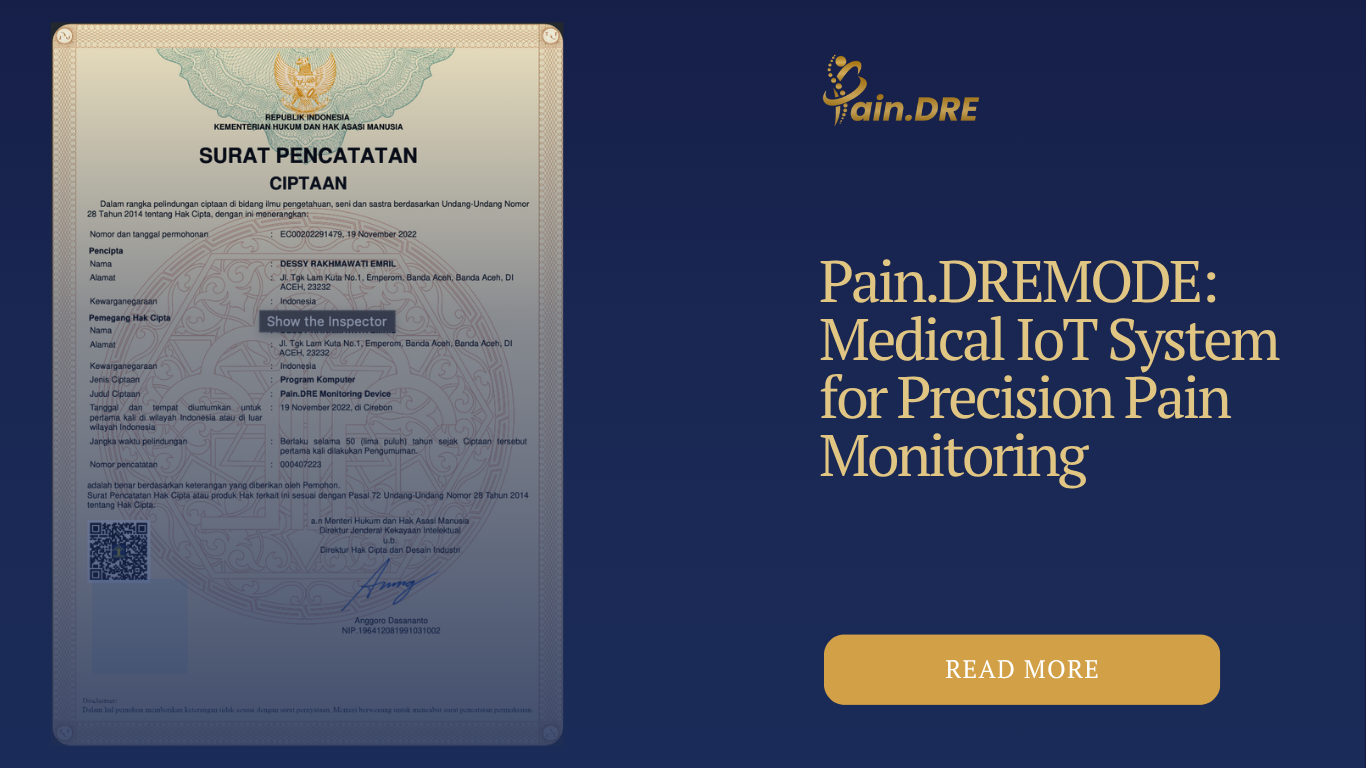
        Legally, this intellectual creation is officially registered under the Ministry of Law and Human Rights of the Republic of Indonesia (Record No. 000407223) as a nationally recognized Computer Program. Across the Pain.DRE platform, let’s analyze the technology architecture, clinical features, and scientific validity underpinning this digital pain monitoring application.

        Why Is an IoT Approach Needed in Pain Management?

        In traditional care, pain tracking relies heavily on a patient’s subjective memory during periodic clinic visits. Patients often struggle to recall precisely when their pain peaked or how their body responded immediately after taking medication over the preceding week.

        Pain.DREMODE resolves these limitations by leveraging Internet of Things (IoT) architecture. Utilizing IoT allows an Android-based digital pain monitoring app to connect seamlessly over the internet for real-time data collection. This technology bridges interactions between patients and healthcare providers without distance distortion. Beyond recording pain scores, the platform provides holistic visual data encompassing examination history, diagnostic records, and treatment timelines.

        Key Clinical Features of the Pain.DREMODE Application

        As an integrated medical computer program, Pain.DREMODE features three core operational pillars designed to enhance clinical accuracy:

        • Algorithmic Neurological Screening Tool: Contains a digital screening instrument that assists clinicians in classifying pain types instantly—whether nociceptive (muscular), neuropathic (nerve), or complex mixed components. Accurate initial identification dictates subsequent interventional strategies.
        • Synchronized Pain Scale & Medication Timeline Graphing: Automatically compiles patient pain scores into precise trend curves. These graphs correlate checking times directly with medication schedules. Through curve visualization, neurologists objectively evaluate whether prescribed drug therapies effectively control pain or require dosage adjustments.
        • Adjustable Alarm System for Pain Re-Evaluation: Includes an adaptive alarm system reminding patients to log pain evaluation data periodically following initial scans or specific medication intake.

        Clinical Validity and Performance Excellence

        A key parameter confirming Pain.DREMODE’s status as a gold-standard clinical tool is its accuracy, validated in major referral hospital settings. During implementation and evaluation phases, the application demonstrated superior data precision in measuring pain intensity compared to traditional physical tools like pressure algometers.

        The program’s success is supported by scientific studies conducted by FK USK researchers titled “Analysis Understanding Module for the Use of Pain Digital Regulation Monitoring Device (Pain.DREMODE) Applications on Health Workers.” Research revealed healthcare workers mastered, understood, and operated the application module with highly satisfactory outcomes, ensuring long-term usability in clinical environments.

        Implementing IoT-based technologies in clinical settings presents challenges, from integrating electronic medical records to managing local technical resources. However, through continuous commitment from Prof. Dessy’s Practice and clinical leaders at RSUZA Banda Aceh, system adaptability and communications are evaluated constantly to maintain standardized pain assessment across community and tertiary care levels.

        Frequently Asked Questions (FAQ) – Understanding Pain.DREMODE

        • Has the Pain.DREMODE application been deployed with real patients?Yes, Pain.DREMODE was officially implemented at Dr. Zainoel Abidin Regional General Hospital (RSUZA) Banda Aceh in December 2023. It assists neurologists in evaluating patient recovery progress using objective pain intensity metrics.
        • What makes Pain.DREMODE unique compared to other pain tracking tools?Its uniqueness lies in medical IoT integration. Rather than merely logging numbers, the app intelligently correlates biological responses with prescribed medications in a unified graphical database to guide clinical decision-making.
        • Can patients use this app for self-diagnosis?No. Pain.DREMODE functions as a clinical decision support tool used by healthcare providers and neurologists to monitor therapeutic progress precisely. Final diagnoses are always established by specialists through physical and diagnostic examinations.

        Moving Toward Integrated Digital Pain Management

        The creation of Pain.DREMODE by Prof. Dr. dr. Dessy R. Emril, Sp.N(K) represents a progressive step toward digitizing Indonesian healthcare. Future developments aim to integrate the application with national Electronic Medical Record (EMR) systems to boost efficiency and precision across clinical settings.

        If you are managing chronic nerve pain or seeking medical care grounded in data precision, early intervention remains the key to avoiding long-term complications.

        Explore our intellectual property portfolio on our Copyrights & Patents (IPR / HAKI) page or review our academic contributions on our Publication Archive & Research Hub.

        Consult with our specialist team at Pain.DRE in Banda Aceh via our Clinical Services directory to receive targeted, evidence-based care.

        Disclaimer: The information provided in this article is for general educational purposes only and does not substitute for professional medical advice, diagnosis, or treatment by a qualified neurology specialist. Never disregard professional medical advice or delay seeking it because of something you have read on this website. For an accurate assessment of your health condition, please schedule an appointment directly at Prof. Dessy’s Practice.
        • Natural Tissue Healing: A Complete Guide to Ultrasound-Guided PRP and Prolotherapy for Joints

          Natural Tissue Healing: A Complete Guide to Ultrasound-Guided PRP and Prolotherapy for Joints

          Modern medicine has taken a monumental leap forward in treating musculoskeletal tissue damage and chronic neuropathic pain. Where torn tendons, degenerative joint disease (osteoarthritis), or post-traumatic nerve injuries once frequently required major surgical intervention, regenerative medicine now offers a revolutionary paradigm. This approach harnesses the human body’s intrinsic ability to repair and regenerate its own cells naturally.

          At Prof. Dessy’s Practice in Banda Aceh, advanced regenerative modalities like Platelet-Rich Plasma (PRP) and Prolotherapy serve as core pillars in providing long-term, effective recovery solutions without open surgery. To offer a clear, objective guide for patients and academic peers alike, we have synthesized this comprehensive overview into a precise clinical Q&A format.

          Clinical Q&A: Deep Dive into Joint & Nerve Regenerative Therapy

          Q: What exactly is PRP Regenerative Therapy, and what is its biological mechanism?

          A: Platelet-Rich Plasma (PRP) is a biological therapy that utilizes high concentrations of platelets extracted directly from the patient’s own blood. Through a specialized centrifugation process, blood plasma components are separated to yield a fluid rich in natural growth factors.

          When this PRP solution is injected into areas of tissue tearing, inflammation, or degeneration, these growth factors act as biological signals attracting the body’s stem cells. This accelerates the tissue healing cascade, subdues localized inflammation, and revitalizes damaged cellular structures.

          Q: What is the fundamental difference between PRP Therapy and Prolotherapy?

          A: While both fall under the regenerative medicine umbrella to stimulate natural healing, their active components and clinical indications differ:

          • PRP Therapy: Employs autologous biological material (the patient’s own active platelets and growth factors). It is exceptionally effective at driving cellular regeneration in advanced tendon tears, chronic ligament injuries, and optimizing neurological recovery following nerve trauma.
          • Prolotherapy: Uses a non-biological hypertonic irritant solution (typically concentrated dextrose). This solution is deliberately injected into lax tendon or ligament attachment points to induce a controlled, mild local inflammatory response. This controlled inflammation prompts the body to synthesize new, thicker collagen fibers, stabilizing hypermobile or lax joints.

          Q: Why is Ultrasound Guidance (USG-Guided Injection) so crucial for these therapies?

          A: Administering valuable regenerative solutions like PRP without visual guidance is like walking in the dark. At Pain.DRE, every regenerative injection mandatory utilizes real-time ultrasonography (USG).

          Key advantages of Ultrasound-Guided Injections include:

          • High Precision Accuracy: Clinicians visually track the syringe pathway in real time, placing the solution directly into microscopic tissue tears while avoiding surrounding blood vessels.
          • Maximum Safety: Eliminates the risk of secondary tissue damage caused by accidental needle contact with adjacent healthy nerve bundles.
          • Optimal Treatment Efficacy: Ensures 100% of the PRP or dextrose volume works precisely at the epicenter of tissue damage rather than dissipating into surrounding healthy tissues.

          Scientific Validity: The Research Foundation of Prof. Dr. dr. Dessy R. Emril, Sp.N(K)

          Our commitment to regenerative medicine is grounded in a strong academic research foundation rather than clinical trends. The expertise of our senior specialist, Prof. Dr. dr. Dessy R. Emril, Sp.N(K), is legally recognized through official Intellectual Property Rights (IPR / HAKI) certifications awarded by the Ministry of Law and Human Rights of the Republic of Indonesia.

          Her landmark research, “Efficacy of Platelet-Rich Plasma (PRP) on Optimizing Neuropathic Pain Treatment and Neurological Function Recovery Post-Nerve Injury,” scientifically proves that precise PRP application accelerates the repair of damaged nerve sheaths and significantly reduces chronic pain intensity. This continuous research provides Pain.DRE’s regenerative therapies with a higher diagnostic and therapeutic accuracy benchmark compared to conventional approaches.

          Take Action for Your Joint & Nerve Health

          Ignoring chronic joint pain or allowing radiating tingling sensations to persist unaddressed gradually diminishes your daily quality of life. If you want to explore whether your specific condition will respond to Ultrasound-Guided PRP or Prolotherapy, a comprehensive clinical evaluation is the best first step.

          To explore our diagnostic standards and non-surgical procedures, review our Clinical Services directory, check our peer-reviewed studies on the Publication Archive & Research Hub, or schedule a clinical consultation on our Contact Us page.

          Disclaimer: The information provided in this article is for general educational purposes only and does not substitute for professional medical advice, diagnosis, or treatment by a qualified neurology specialist. Never disregard professional medical advice or delay seeking it because of something you have read on this website. For an accurate assessment of your health condition, please schedule an appointment directly at Prof. Dessy’s Practice.

          • Muscle Pain vs. Nerve Pain: Choosing the Right Treatment Path

            Muscle Pain vs. Nerve Pain: Choosing the Right Treatment Path

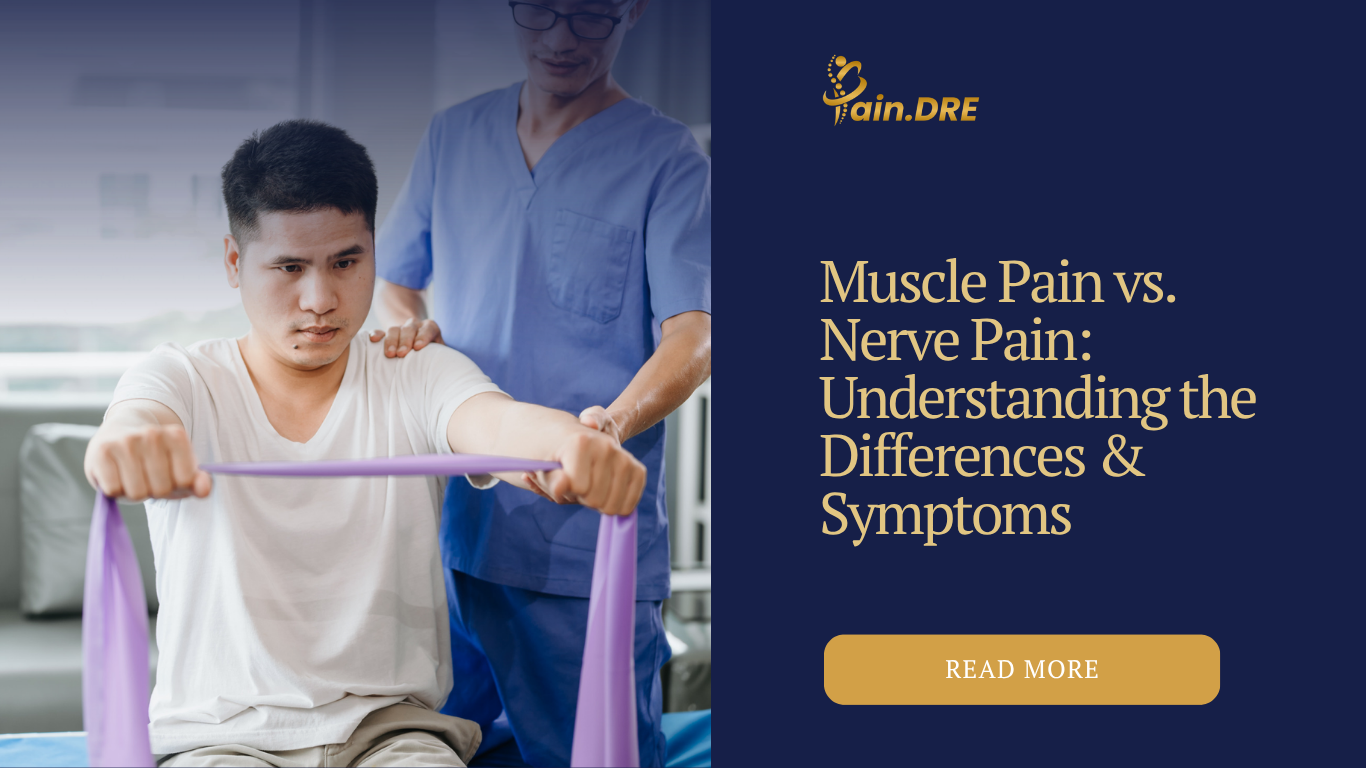
            Feeling sore after a heavy workout, or experiencing persistent tingling in your fingertips? The human body communicates discomfort through various signals, but two of the most frequently confused conditions are muscle pain (musculoskeletal system) and nerve pain (neuropathic system).

            Accurately identifying whether your discomfort stems from muscles or nerves is not just useful medical knowledge – it is a critical first step in determining treatment effectiveness. Misidentifying the source of pain often leads patients to select inappropriate therapies, such as aggressively massaging an area with nerve entrapment, which risks worsening tissue damage.

            At Prof. Dessy’s Practice in Banda Aceh, we routinely evaluate patients who have endured months of chronic discomfort due to initial misdiagnoses. Through Pain.DRE’s integrative approach, let’s examine the key neurobiological differences between these two types of pain.

            Clinical Comparison: Muscle Pain vs. Nerve Pain

            Clinical FeatureMuscle Pain (Nociceptive)Nerve Pain (Neuropathic)
            Pain SensationDull, aching, sore, stiff, throbbing, or heavy squeezing feeling.Sharp, electric shock-like, burning, stabbing, or searing pain.
            Pain LocationLocalized to a specific muscle group or broadly around joints.Follows specific nerve pathways; frequently radiates down limbs.
            Accompanying SymptomsLocal swelling, muscle tightness/spasms, tenderness to the touch.Numbness, tingling, hot/cold paresthesia, muscle weakness.
            Primary TriggersSports injuries, prolonged static posture, muscle strain/fatigue.Mechanical compression (pinched nerve), trauma, metabolic causes.
            Response to RestImproves significantly with rest, light stretching, or warm compresses.Persists during rest; frequently intensifies at night.

            Understanding the Anatomy and Mechanisms of Pain

            1. The Medical Nature of Muscle Pain (Nociceptive Pain)

            Muscle pain occurs when pain receptors (nociceptors) in muscular tissue detect potential physical damage, such as microscopic fiber tears from exercise or lactic acid accumulation. This pain is fundamentally protective. When you rest the affected muscle or apply targeted compression therapy, muscular tissue regenerates rapidly thanks to rich vascular blood supply.

            2. The Medical Nature of Nerve Pain (Neuropathic Pain)

            Conversely, nerve or neuropathic pain arises from direct lesions, irritation, or structural damage to the nervous system itself. Nerves act like transmission cables conducting signals between the brain and the rest of the body. When these “cables” sustain mechanical compression – such as Herniated Nucleus Pulposus (HNP) in the spine or median nerve entrapment in the wrist – signal transmission becomes distorted. The brain interprets these chaotic signals as burning, electric shocks, or complete numbness (anesthesia).

            Why Nerve Pain Requires Objective, Precise Diagnosis

            Chronically compressed nerves without proper medical intervention experience gradual functional decline. Damage typically starts as intermittent tingling, but over time can progress to permanent numbness and motor weakness, making it difficult to grip objects or walk steadily.

            If you experience neuropathic symptoms, the essential first step is to seek a formal evaluation with a specialized Neurologist. At Pain.DRE, neuropathic pain management is led by senior specialist Prof. Dr. dr. Dessy R. Emril, Sp.N(K), utilizing modern diagnostic modalities to locate nerve compression pinpoint accurate.

            Grounded in peer-reviewed scientific literature and nationally recognized Intellectual Property Rights (IPR / HAKI), Prof. Dessy Emril actively develops treatment protocols for neurological recovery post-nerve injury. By mapping pain sources precisely, we determine whether a patient requires targeted pharmacotherapy, Interventional Pain Management (IPM), or advanced regenerative care.

            When Should You Visit Pain.DRE?

            Early intervention is the key to successful neurological recovery. You are recommended to schedule a clinical evaluation if you experience any of the following warning signs:

            • Sharp, shooting, or burning pain radiating from your lower back down your legs, or from your neck into your arms.
            • Persistent tingling and numbness lasting over a week that disrupts your sleep patterns.
            • Muscle weakness in your hands or legs, unsteady balance, or frequently dropping items accidentally.

            Do not let unaddressed pain diminish your productivity or limit your physical independence. To explore our non-surgical treatment standards in depth, review our published studies on our Publication Archive & Research Hub page, or book your consultation directly via our Clinical Services directory.

            Disclaimer: The information provided in this article is for general educational purposes only and does not substitute for professional medical advice, diagnosis, or treatment by a qualified neurology specialist. Never disregard professional medical advice or delay seeking it because of something you have read on this website. For an accurate assessment of your health condition, please schedule an appointment directly at Prof. Dessy’s Practice.
            • Why Total Bed Rest Can Worsen Joint and Nerve Pain

              Why Total Bed Rest Can Worsen Joint and Nerve Pain

              When an acute attack of low back pain hits, joint stiffness restricts your movement, or radiculopathy (radiating pain) strikes due to nerve compression, the most common traditional advice is passive, total bed rest. Ceasing all physical activity and lying flat on your back for days feels like a logical physiological protective measure for an injured or inflamed body part. However, from the perspective of modern neurobiology and musculoskeletal dynamics, complete immobilization triggers a clinical paradox: rather than healing, it can aggravate your chronic pain pathology.

              At Prof. Dessy’s Practice in Banda Aceh, we consistently receive patient referrals suffering from severe physical deconditioning caused by prolonged bed rest. As an advanced Interventional Pain Management center at Pain.DRE, educating the public about the hidden dangers of unmeasured movement restriction is a core priority.

              Neurobiological Analysis: What Happens to the Body During Passive Bed Rest?

              Evolutionarily and anatomically, the human body is engineered to operate under dynamic loading. Forced static conditions without mechanical movement over several days lead to significant degenerative changes across the musculoskeletal and central nervous systems:

              • Disruption of Synovial Fluid Kinetics and Joint Cartilage: Human joints lack direct vascularization (blood supply) to deliver nutrients to cartilage tissue. Cartilage relies entirely on mechanical imbibition – a mechanism absorbing nutrients and flushing metabolic waste through joint compression and decompression during movement. Prolonged bed rest drastically reduces natural synovial fluid production, drying out cartilage, diminishing elasticity, and causing joint stiffness. Returning to movement then causes friction between joint surfaces, triggering secondary inflammation.
              • Spinal Stabilizer Muscle Atrophy (Core Deconditioning): Deep muscles like the musculus multifidus and erector spinae act as primary anchors distributing mechanical loads across your spine. Clinical neurology studies reveal these stabilizing structures begin losing mass and tone (atrophying) within just 48 hours of complete immobilization. As this natural support structure weakens, gravitational loads transfer directly to intervertebral discs, facet joints, and neighboring nerve bundles – explaining why individuals with nerve compression experience sharper back pain upon standing after lying down all day.
              • Central Neurosensitization and Maladaptive Neural Plasticity: The central nervous system operates through interactions between afferent mechanoreceptor (movement) and nociceptor (pain) pathways. Safe physical activity enables mechanoreceptor signals to block or inhibit pain signal transmission to the spinal cord and brain (guided by Gate Control Theory). Conversely, total bed rest minimizes mechanoreceptor input while nociceptors continuously fire danger signals due to localized inflammation. Lacking healthy movement modulation, the nervous system undergoes maladaptive plasticity that renders the brain hyper-sensitive – a phenomenon known as central sensitization.

              The Paradigm Shift at Pain.DRE: Healing Through Targeted Mobilization

              Given these complex biological changes, modern neurology and interventional pain management have moved past passive bed rest strategies. The most effective approach to breaking chronic pain cycles is early, targeted mobilization delivered within a pain-free boundary.

              At Prof. Dessy’s Practice in Banda Aceh, we apply a comprehensive diagnostic evaluation protocol to ensure prescribed movements remain therapeutic rather than destructive. Under the clinical leadership of senior neurology expert Prof. Dr. dr. Dessy R. Emril, Sp.N(K), every patient receives an individualized evaluation utilizing advanced dynamic imaging.

              Core Management Principles at Pain.DRE:

              • Enhance Circulation: Increase oxygenated blood perfusion to spastic or strained myofascial tissue.
              • Restore Lubrication: Stimulate natural synovial fluid secretion to lubricate joint spaces.
              • Relieve Pressure: Reduce biomechanical pressure on irritated or entrapped nerve roots through precise postural stability exercises.

              Frequently Asked Questions (FAQ) – Chronic Pain & Bed Rest

              • Should I avoid lying down entirely when experiencing severe back pain?Short, light rest breaks (15–30 minutes) after strenuous activity are perfectly appropriate to ease acute muscle fatigue. What harms recovery is total, full-day bed rest without any light movement.
              • How can I stay active if pinched nerve pain is unbearable?This is where Interventional Pain Medicine (IPM) plays a critical role. At Prof. Dessy’s Practice, our primary focus is dampening acute inflammation first using precise, minimally invasive procedures targeted at the pain source. Once pain is reduced to a safe level, patients can undergo targeted mobility programs comfortably.
              • Why does my back pain feel worse right after waking up from a long night’s sleep?This morning stiffness stems from localized inflammatory fluid accumulation and reduced facet joint lubrication while remaining still for hours during sleep. A lack of micromovements during rest stiffens the connective tissues surrounding spinal joints.

              When Should You Seek Medical Attention?

              If you suffer from chronic, persistent pain that does not subside with rest, or if you notice neurological symptoms like radiating tingling, numbness in your extremities, or muscle weakness in your arms or legs, do not delay a targeted examination. Postponing a proper diagnosis risks irreversible functional nerve damage.

              We invite you to consult directly at Prof. Dessy’s Practice for a holistic evaluation led by experienced specialists in Interventional Pain Medicine (IPM). Treatments at Pain.DRE are personalized to restore your quality of life, improve physical mobility, and prevent unnecessary invasive surgeries whenever possible.

              Learn more about our scientific research foundation in our article The Mystery of Complex Pain: Why Precise Diagnosis Is 90% of Healing, or schedule your medical consultation through our Clinical Services directory.

              Disclaimer: The information provided in this article is for general educational purposes only and does not substitute for professional medical advice, diagnosis, or treatment by a qualified neurology specialist. Never disregard professional medical advice or delay seeking it because of something you have read on this website. For an accurate assessment of your health condition, please schedule an appointment directly at Prof. Dessy’s Practice.
              • From Research to Clinical Practice: Bringing Singapore & Taiwan Fellowship Standards to Indonesia

                From Research to Clinical Practice: Bringing Singapore & Taiwan Fellowship Standards to Indonesia

                In the contemporary healthcare landscape, bridging the gap between academic laboratory research and daily clinical execution remains a significant challenge across developing nations. Many cutting-edge Interventional Pain Management (IPM) techniques validated by global clinical trials often take years to become accessible locally. Closing this gap requires active knowledge transfer through advanced clinical fellowship training at premier neuroscience centers worldwide.

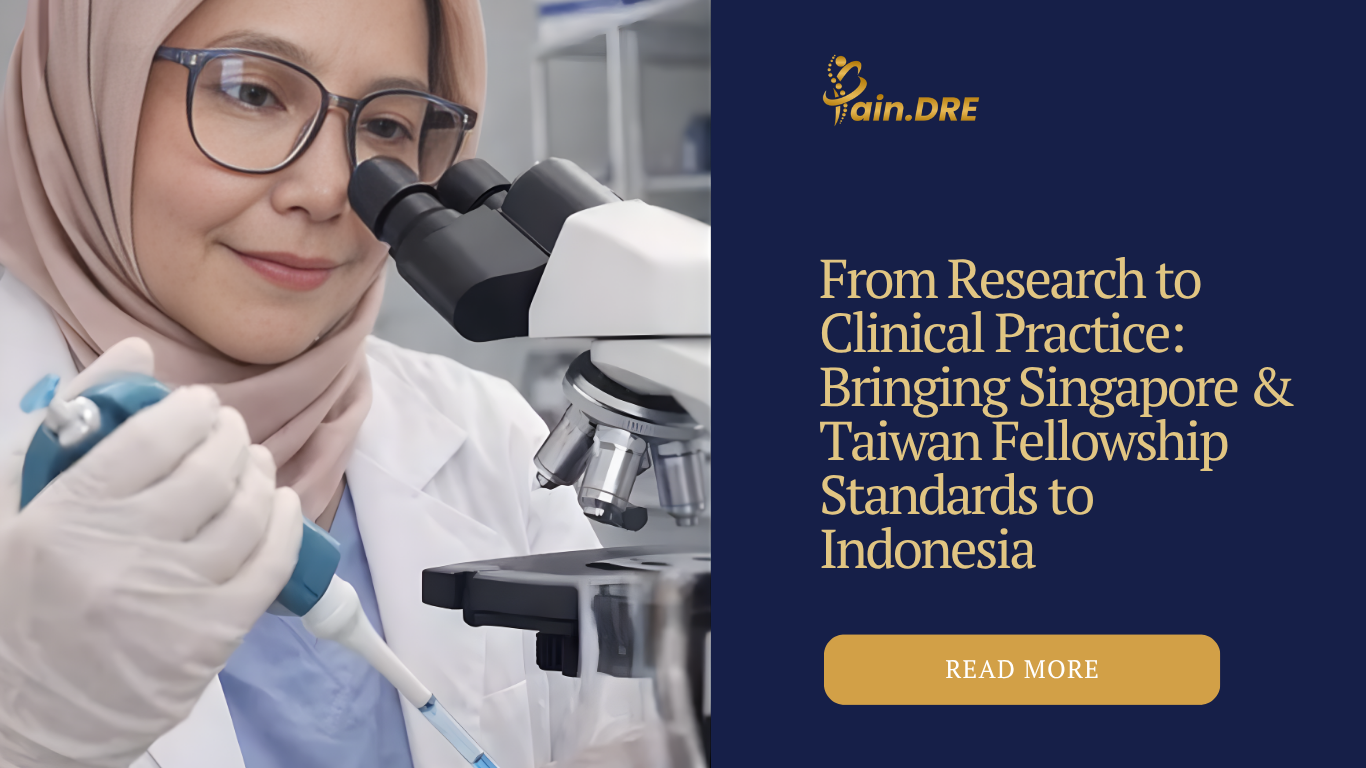
                By incorporating international clinical standards acquired from top global medical institutions in Asia – specifically in Singapore and Taiwan – precise neurological and pain management protocols are brought directly to Indonesia. Importing this expertise goes beyond acquiring advanced medical hardware; it transfers an evidence-based medicine (EBM) clinical methodology that prioritizes maximum safety for patients dealing with complex chronic pain without requiring major surgery.

                The Need for International Standards in Neurological Interventions

                The human nervous system features intricate anatomical pathways where a therapeutic needle deviation of mere millimeters can dramatically alter treatment efficacy. Relying purely on theoretical textbook knowledge is insufficient when managing entrapment neuropathies, severe radiculopathy, or chronic joint degeneration resistant to conventional pharmacotherapy.

                Through advanced clinical fellowships at international centers, medical specialists undergo intensive training to master two core pillars of modern pain management:

                • Dynamic Diagnostic Accuracy: Evaluating individual anatomical variations to map pain generators in real time.

                • Minimally Invasive Interventional Skills: Executing targeted therapeutic procedures under advanced visual guidance to treat inflamed nerve centers while preserving surrounding healthy tissue.

                Internalizing international clinical standards while prioritizing patient safety guides our daily medical practice. Read more about this academic background and clinical journey on our About Prof. Dessy page.

                The Essence of Singapore Fellowships: Precision in Chronic Pain Care

                Singapore is globally recognized as a medical excellence center governed by strict clinical regulations and standardized protocols. Advanced clinical training at renowned Pain Management Centers in Singapore provides a comprehensive foundation in multidisciplinary pain care.

                Key areas of focus in Singapore’s global medical centers include structured multidisciplinary therapy, rational pharmacotherapy evaluation, and targeted nerve block techniques for post-surgical chronic pain and Post-Herpetic Neuralgia (PHN). Adopting these structured clinical management frameworks enables local care plans to run efficiently, minimizing trial-and-error while prioritizing long-term comfort. Review interventional procedures utilizing these standardized protocols on our Clinical Services directory.

                Taiwan Fellowship Contributions: Advanced Musculoskeletal Ultrasound

                Taiwan leads in developing dynamic visual imaging techniques using advanced Musculoskeletal Ultrasonography (MSK USG). Intensive training at premier medical institutions in Taiwan, such as National Taiwan University Hospital, demonstrates how high-resolution ultrasound can map peripheral nerve pathways at a micro-level.

                Knowledge Transfer Pipeline:

                Singapore & Taiwan Standards –>  Procedural Standardization in Indonesia –>  Targeted Non-Surgical Interventions

                Integrating expertise acquired in Taiwan provides substantial diagnostic advantages in daily practice:

                • Dynamic Peripheral Nerve Visualization: Allows clinicians to observe nerve entrapment live as the patient moves the joint—a dynamic dimension static MRI scans cannot capture.

                • Targeted Regenerative Interventions: Ensures precise delivery of biological agents like Platelet-Rich Plasma (PRP) or hydrodissection fluids into constricted nerve sheaths.

                Bridging Global Research into Local Medical Innovation

                Bringing international standards home extends beyond clinical practice into active research contributions and continuous medical education. Interventional pain medicine evolves dynamically; publishing clinical studies in peer-reviewed journals (Scopus-indexed) remains an essential benchmark for maintaining high service quality.

                Developing clinical decision-support tools, standardizing interventional training modules for Indonesian physicians, and securing official Intellectual Property Rights (IPR / HAKI) ensure these global fellowship standards take deep root in the domestic medical ecosystem. Explore our research publications, global neurology contributions, and medical innovation portfolio on our Innovation & Achievements page.

                The Impact of Standardization on Functional Recovery

                The true test of international competency standards lies in functional recovery and patient outcomes. Patients with chronic pain who previously faced severe mobility limitations often experience life-changing functional improvements after receiving interventions built on globally validated protocols.

                Restoring physical function – from walking comfortably without pain to reducing dependence on high-dose analgesics – highlights the importance of precise, evidence-based care. Documented recovery journeys of individuals treated under these international pain management standards can be explored on our Success Stories page.

                World-Class Pain Management, Accessible Locally

                International fellowship training from Asia’s leading medical centers ensures Indonesian patients no longer need to travel abroad for precision neurological care. Integrating global research with safe clinical application brings advanced, non-surgical interventional procedures directly to you.

                If you or a family member are struggling with chronic nerve pain that restricts daily life and requires an international-standard diagnostic evaluation, consult directly with our team. Schedule your clinical appointment on our Contact Us page. Accurate diagnostic mapping today serves as the foundation for your long-term health tomorrow.

                Disclaimer: The information provided in this article is for general educational purposes only and does not substitute for professional medical advice, diagnosis, or treatment by a qualified neurology specialist. Never disregard professional medical advice or delay seeking it because of something you have read on this website. For an accurate assessment of your health condition, please schedule an appointment directly at Prof. Dessy’s Practice.
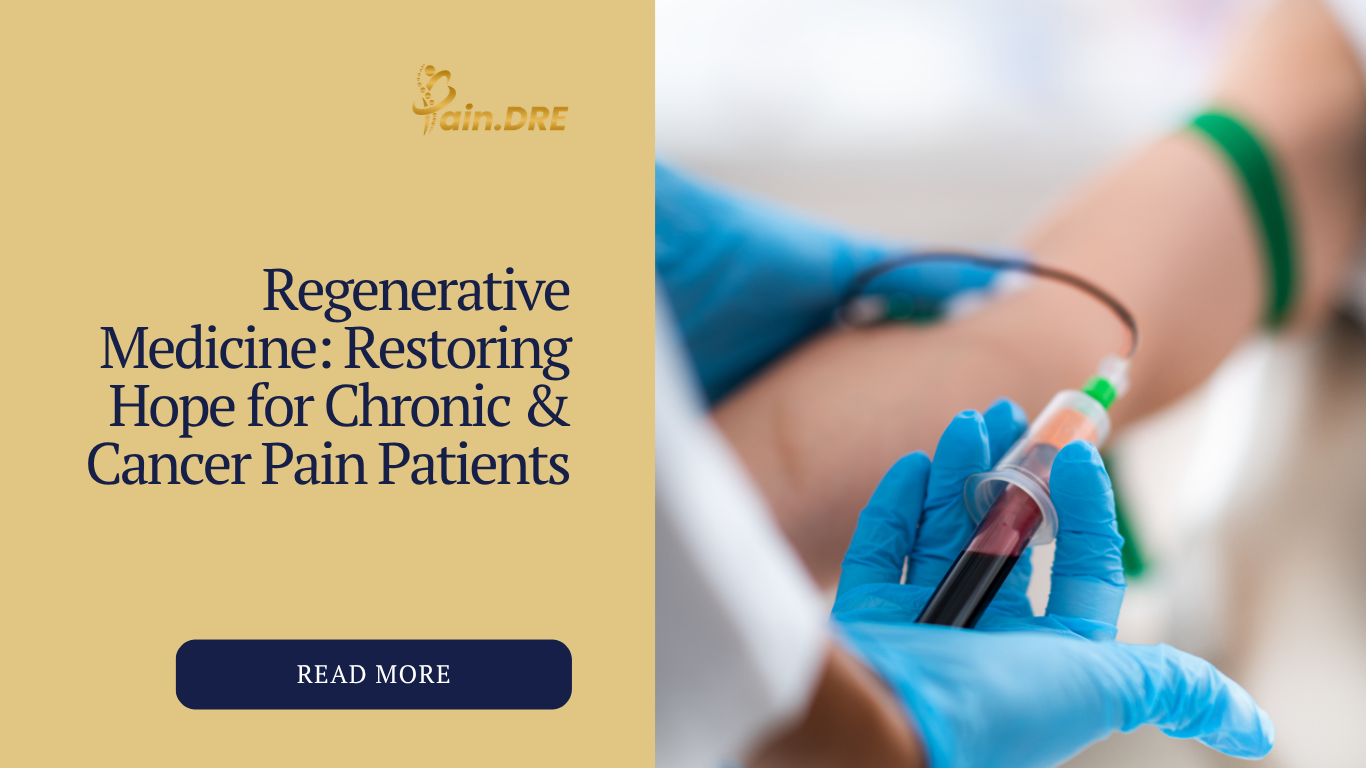
                • Regenerative Medicine: Restoring Hope for Chronic Pain and Cancer Patients

                  Regenerative Medicine: Restoring Hope for Chronic Pain and Cancer Patients

                  For decades, the conventional medical management paradigm for severe chronic joint damage and oncological (cancer) pain relied primarily on static palliative strategies. Patients were typically directed to depend on long-term combinations of analgesic medications, corticosteroids, and high-dose opioids to suppress pain perception in the brain. Unfortunately, purely pharmacological interventions serve only as a temporary curtain masking symptoms, lacking the biological capability to halt tissue degradation or repair the structural integrity causing the pain.

                  Modern medicine, however, is undergoing a fundamental shift that brings a promising new era to neurology and pain management. Through rapid advancements in regenerative medicine, therapeutic focus has transitioned from merely managing pain to actively supporting the body’s natural cellular repair mechanisms. By integrating cutting-edge technologies like cell-based therapies and targeted biological engineering, this approach addresses underlying pathologies sustainably, safely, and without major surgery.

                  Unpacking the Concept of Regenerative Medicine in Pain Management

                  Fundamentally, regenerative medicine utilizes the body’s intrinsic biomedical potential for cellular repair. When structures like tendons, ligaments, articular cartilage, or nerve sheaths sustain chronic injury, minimal local blood supply often impedes natural healing. Consequently, the inflammatory phase becomes prolonged, triggering persistent chronic pain.

                  Within non-surgical interventional care, regenerative medicine concentrates growth factors or stem cells directly into the epicenter of anatomical damage. Key regenerative modalities currently undergoing intensive clinical research include:

                  • Platelet-Rich Plasma (PRP) Therapy: Utilizing the patient’s own blood plasma, centrifuged to concentrate platelets rich in growth factors to stimulate connective tissue healing responses.
                  • Targeted Cell-Based Therapy: Deploying cellular matrices or stem cells capable of differentiation to rebuild degenerated micro-environments.
                  • Holo Therapy & Modulated Adjuvant Care: A holistic medical framework combining physical regenerative modalities with neurological stimulation to optimize local tissue metabolism and circulation.

                  This integrative approach prioritizes patient safety and long-term comfort, serving as a core element of our medical care philosophy. Learn more on our About Prof. Dessy page.

                  Breakthroughs in Cancer (Oncology) Pain: Enhancing Quality of Life

                  Pain in cancer patients is among the most complex challenges in clinical medicine. It can stem from tumor mass pressure on healthy nerve pathways, bone tissue infiltration, or side effects of oncological treatments such as chemotherapy-induced peripheral neuropathy (CIPN).

                  Regenerative medicine and Interventional Pain Management (IPM) play a vital supportive role here. In cancer pain management, the objective is not to replace primary oncological treatment, but to target pain signal blockades and restore supporting tissue around lesions. By significantly alleviating local pain intensity, cancer patients can undergo their primary treatments with improved physical stamina, psychological well-being, and overall quality of life.

                  Precision Ultrasound Guidance: The Key to Safe Regenerative Interventions

                  Injecting regenerative biomaterials without guidance cannot deliver optimal clinical outcomes. Standardized modern procedures mandate high-resolution, real-time ultrasonography (USG) throughout interventional procedures.

                  Precision Procedural Workflow:

                  Tissue/Nerve Damage –> Real-Time USG Visualization –> Millimeter Needle Accuracy –> Targeted Biomaterial Injection

                  Ultrasound guidance ensures needle placement achieves millimeter accuracy, avoiding critical blood vessels and depositing regenerative materials (such as PRP or cellular components) precisely into tendon tears or joint spaces. Without precise visual guidance, injection inaccuracy increases and tissue regeneration potential drops. Review our diagnostic and interventional offerings on our Clinical Services page.

                  Scientific Foundation and Intellectual Property (IPR / HAKI) Recognition

                  Implementing regenerative medicine requires rigorous scientific validation to ensure patient safety and procedure efficacy. Medical advancements demand that every biological therapy rests upon evidence-based medicine (EBM) standards and peer-reviewed research.

                  Developing digital monitoring tools and proprietary clinical methodologies enables clinicians to evaluate tissue recovery objectively. Integrating international academic research with official Intellectual Property Rights (IPR / HAKI) elevates care standards into personalized, measurable outcomes. Access scientific publications, clinical trial data, and medical patents transparently on our Innovation & Achievements page.

                  Real Clinical Outcomes: Patient Journeys to Functional Recovery

                  The true test of regenerative medicine lies in its long-term impact on patient mobility and independence. For patients previously facing limited mobility or endless pain medication cycles, targeted regenerative therapy provides a path toward functional recovery.

                  Tracking clinical outcomes demonstrates that precise regenerative interventions help patients reclaim daily function, reduce reliance on systemic medications, and improve long-term physical capacity. Explore patient recovery documentation and clinical progress reports on our Success Stories page.

                  Step into the Future of Regenerative Recovery

                  Chronic joint degeneration and oncology-related pain do not have to mean a lifetime of passive pain management. Embracing regenerative solutions grounded in precise neurological evaluation opens new possibilities for structural healing and lasting relief.

                  If you or a family member are seeking advanced, non-surgical pain management solutions, schedule a comprehensive clinical evaluation with our medical team. Reach out directly on our Contact Us page.

                  Disclaimer: The information provided in this article is for general educational purposes only and does not substitute for professional medical advice, diagnosis, or treatment by a qualified neurology specialist. Never disregard professional medical advice or delay seeking it because of something you have read on this website. For an accurate assessment of your health condition, please schedule an appointment directly at Prof. Dessy’s Practice.

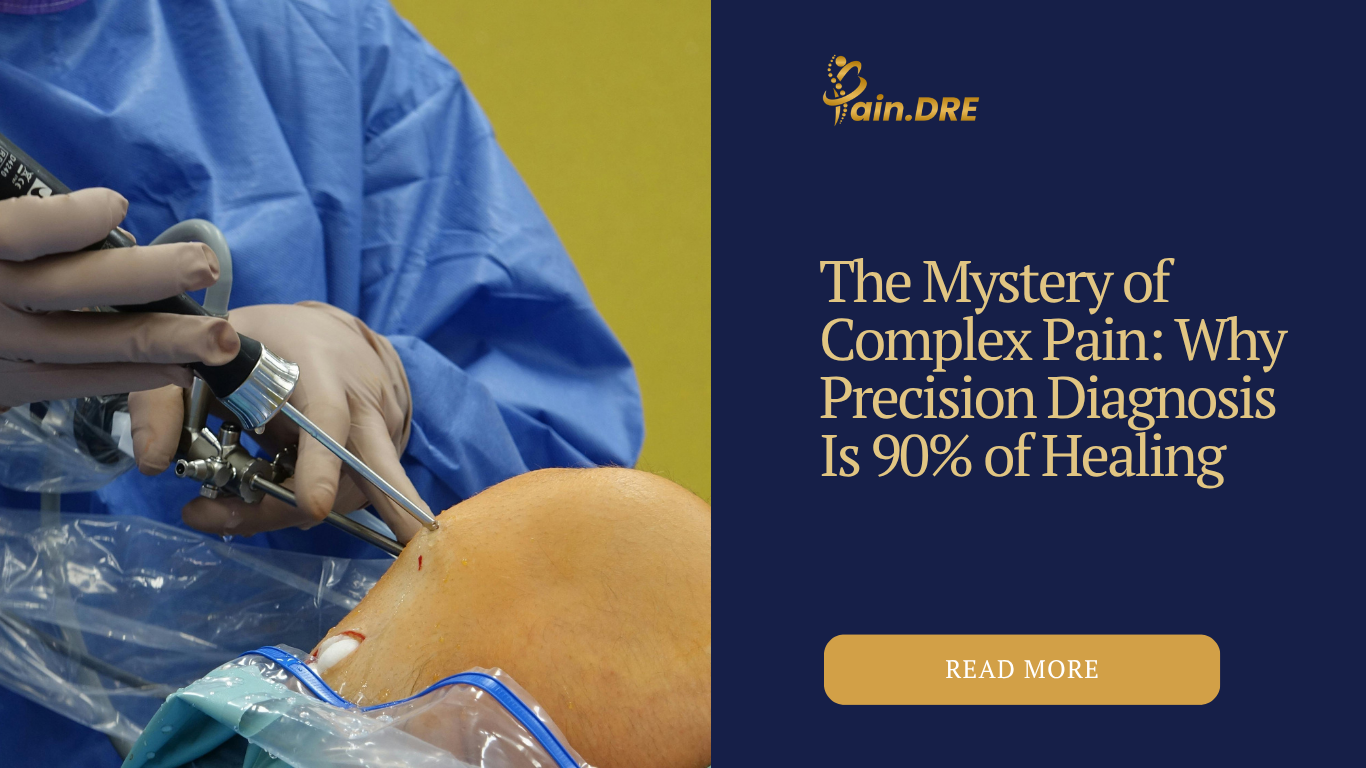
                  • The Mystery of Complex Pain: Why Precise Diagnosis Is 90% of Healing

                    The Mystery of Complex Pain: Why Precise Diagnosis Is 90% of Healing

                    For most individuals living with chronic medical conditions, persistent pain is no longer just a standard biological warning signal – it becomes a physically and mentally exhausting mystery. Many patients finally seek consultation at the clinic after spending years moving from one treatment modality to another without finding satisfactory answers. This phenomenon often occurs due to a fundamental misconception: treating chronic pain purely as a surface symptom rather than as a complex language transmitted by a structurally or functionally impaired nervous system.

                    In modern clinical neurology, old approaches relying on generalized care without tracing specific root causes are being phased out. Through Interventional Pain Management (IPM), the core focus has shifted from guessing clinical symptoms toward real-time mapping of the exact underlying disruption. Why is this initial step so crucial? In the spectrum of medical care, establishing a precise diagnosis serves as the foundational pillar determining the long-term success of a patient’s recovery plan.

                    Understanding Complex Pain as the Language of the Nervous System

                    When an individual experiences acute pain from a routine tissue injury, signals sent to the brain are direct and easy to trace. In complex or chronic pain cases, however, this mechanism changes drastically. Both the central and peripheral nervous systems can undergo sensitization—a state where nerve cells become hyper-reactive, generating intense pain even from non-painful stimuli.

                    Complex pain conditions frequently involve varying neurological structures, ranging from spinal nerve root compression (radiculopathy) and facet joint dysfunction to peripheral neuropathies. Treating these distinct conditions with a uniform, broad-spectrum approach risks delaying recovery without addressing the primary pathology. Therefore, listening comprehensively to how the nervous system communicates in each individual is essential. You can learn more about this human-centered clinical philosophy on our About Prof. Dessy page.

                    Why Conventional Approaches Often Hit a Dead End

                    Many patients suffering from long-term pain rely heavily on prolonged analgesic medications. While pharmacotherapy plays a specific role in medical management, these drugs primarily dull or mask pain signals at the brain’s receptor level, rather than repairing structural damage or localized inflammation at the source.

                    Key challenges commonly faced in conventional pain management include:

                    • Limitations of Static Imaging: Conventional X-rays and static MRI scans are vital, yet static images cannot dynamically reveal which specific nerve triggers pain during active body movements.
                    • Overlapping Symptom Complexity: Issues like low back pain or cervical pain can originate simultaneously from muscles, ligaments, intervertebral discs, or nerve entrapments.
                    • Long-Term Medication Risks: Protracted reliance on high-dose NSAIDs or opioids carries risks of gastrointestinal complications, renal stress, and drug tolerance.

                    Unraveling this complexity requires objective diagnostic tools to identify nerve dysfunction accurately before initiating therapeutic procedures.

                    The Role of Interventional Pain Management in Precise Diagnosis

                    Interventional Pain Management bridges specialized neurology and advanced real-time visualization technologies. This methodology prioritizes direct pain mapping guided by high-resolution ultrasound (USG) or real-time fluoroscopy (C-arm X-ray).

                    Diagnostic Workflow:

                    Chronic Pain Evaluation –> Dynamic Neurological Assessment –> Ultrasound / Fluoroscopy Guidance –> Targeted Precise Diagnosis

                    Through dynamic visualization, a consultant specialist observes tissue structures, evaluates vascular flow, and pinpoint nerve entrapment locations in real time. Precise diagnosis goes beyond labeling a condition—it determines the exact millimeter coordinates of the pathology.

                    Once an accurate diagnosis is established, targeted, minimally invasive non-surgical procedures can be planned with high precision. Review the full spectrum of diagnostic and interventional services on our Clinical Services directory.

                    Synergizing Innovation, Scientific Research, and Clinical Track Records

                    Pinpointing complex nerve conditions at the millimeter level demands high clinical expertise integrated with evidence-based medicine (EBM). Modern medical practice requires standardized procedures ensuring every diagnostic intervention rests on validated, internationally recognized research.

                    Developing digital tools for clinical decision support—such as applications tracking patient pain progression over time—is one example of innovation driving objective treatment mapping. Integrating published academic research with official Intellectual Property Rights (IPR / HAKI) continuously elevates pain management standards into personalized, measurable care. Discover scientific publications, international neurology conference proceedings, and patented medical innovations transparently on our Innovation & Achievements page.

                    The Impact of Validated Diagnosis on Patient Recovery

                    If a medical intervention is built upon an imprecise or inaccurate diagnosis, the therapeutic target inevitably misses the mark. Conversely, meticulous mapping of pain sources from the beginning allows care plans to be structured efficiently, minimizing unnecessary procedures and providing a clear path toward rehabilitation.

                    Restoring quality of life for patients who accurately identify their root pain source highlights the critical nature of the diagnostic phase. Individuals previously restricted by years of physical limitation can return to active, productive lives once care matches their anatomical pain profile. Explore clinical case studies and recovery tracking in detail on our Success Stories page.

                    Map the Source, Don’t Just Treat the Symptoms

                    Complex pain is not a condition to accept passively or manage with endless superficial treatments. Understanding that precise diagnosis forms 90% of recovery success is the master key to breaking free from chronic pain cycles.

                    If you or a family member are experiencing persistent pain without a clear diagnosis, schedule a comprehensive diagnostic evaluation using Interventional Pain Management techniques. Get in touch with our medical team to book a clinical evaluation on our Contact Us page. Precise mapping today opens the path to targeted recovery tomorrow.

                    Disclaimer: The information provided in this article is for general educational purposes only and does not substitute for professional medical advice, diagnosis, or treatment by a qualified neurology specialist. Never disregard professional medical advice or delay seeking it because of something you have read on this website. For an accurate assessment of your health condition, please schedule an appointment directly at Prof. Dessy’s Practice.