

Feeling sore after a heavy workout, or experiencing persistent tingling in your fingertips? The human body communicates discomfort through various signals, but two of the most frequently confused conditions are muscle pain (musculoskeletal system) and nerve pain (neuropathic system).
Accurately identifying whether your discomfort stems from muscles or nerves is not just useful medical knowledge – it is a critical first step in determining treatment effectiveness. Misidentifying the source of pain often leads patients to select inappropriate therapies, such as aggressively massaging an area with nerve entrapment, which risks worsening tissue damage.
At Prof. Dessy’s Practice in Banda Aceh, we routinely evaluate patients who have endured months of chronic discomfort due to initial misdiagnoses. Through Pain.DRE’s integrative approach, let’s examine the key neurobiological differences between these two types of pain.
Clinical Comparison: Muscle Pain vs. Nerve Pain
| Clinical Feature | Muscle Pain (Nociceptive) | Nerve Pain (Neuropathic) |
| Pain Sensation | Dull, aching, sore, stiff, throbbing, or heavy squeezing feeling. | Sharp, electric shock-like, burning, stabbing, or searing pain. |
| Pain Location | Localized to a specific muscle group or broadly around joints. | Follows specific nerve pathways; frequently radiates down limbs. |
| Accompanying Symptoms | Local swelling, muscle tightness/spasms, tenderness to the touch. | Numbness, tingling, hot/cold paresthesia, muscle weakness. |
| Primary Triggers | Sports injuries, prolonged static posture, muscle strain/fatigue. | Mechanical compression (pinched nerve), trauma, metabolic causes. |
| Response to Rest | Improves significantly with rest, light stretching, or warm compresses. | Persists during rest; frequently intensifies at night. |
Understanding the Anatomy and Mechanisms of Pain
1. The Medical Nature of Muscle Pain (Nociceptive Pain)
Muscle pain occurs when pain receptors (nociceptors) in muscular tissue detect potential physical damage, such as microscopic fiber tears from exercise or lactic acid accumulation. This pain is fundamentally protective. When you rest the affected muscle or apply targeted compression therapy, muscular tissue regenerates rapidly thanks to rich vascular blood supply.
2. The Medical Nature of Nerve Pain (Neuropathic Pain)
Conversely, nerve or neuropathic pain arises from direct lesions, irritation, or structural damage to the nervous system itself. Nerves act like transmission cables conducting signals between the brain and the rest of the body. When these “cables” sustain mechanical compression – such as Herniated Nucleus Pulposus (HNP) in the spine or median nerve entrapment in the wrist – signal transmission becomes distorted. The brain interprets these chaotic signals as burning, electric shocks, or complete numbness (anesthesia).
Why Nerve Pain Requires Objective, Precise Diagnosis
Chronically compressed nerves without proper medical intervention experience gradual functional decline. Damage typically starts as intermittent tingling, but over time can progress to permanent numbness and motor weakness, making it difficult to grip objects or walk steadily.
If you experience neuropathic symptoms, the essential first step is to seek a formal evaluation with a specialized Neurologist. At Pain.DRE, neuropathic pain management is led by senior specialist Prof. Dr. dr. Dessy R. Emril, Sp.N(K), utilizing modern diagnostic modalities to locate nerve compression pinpoint accurate.
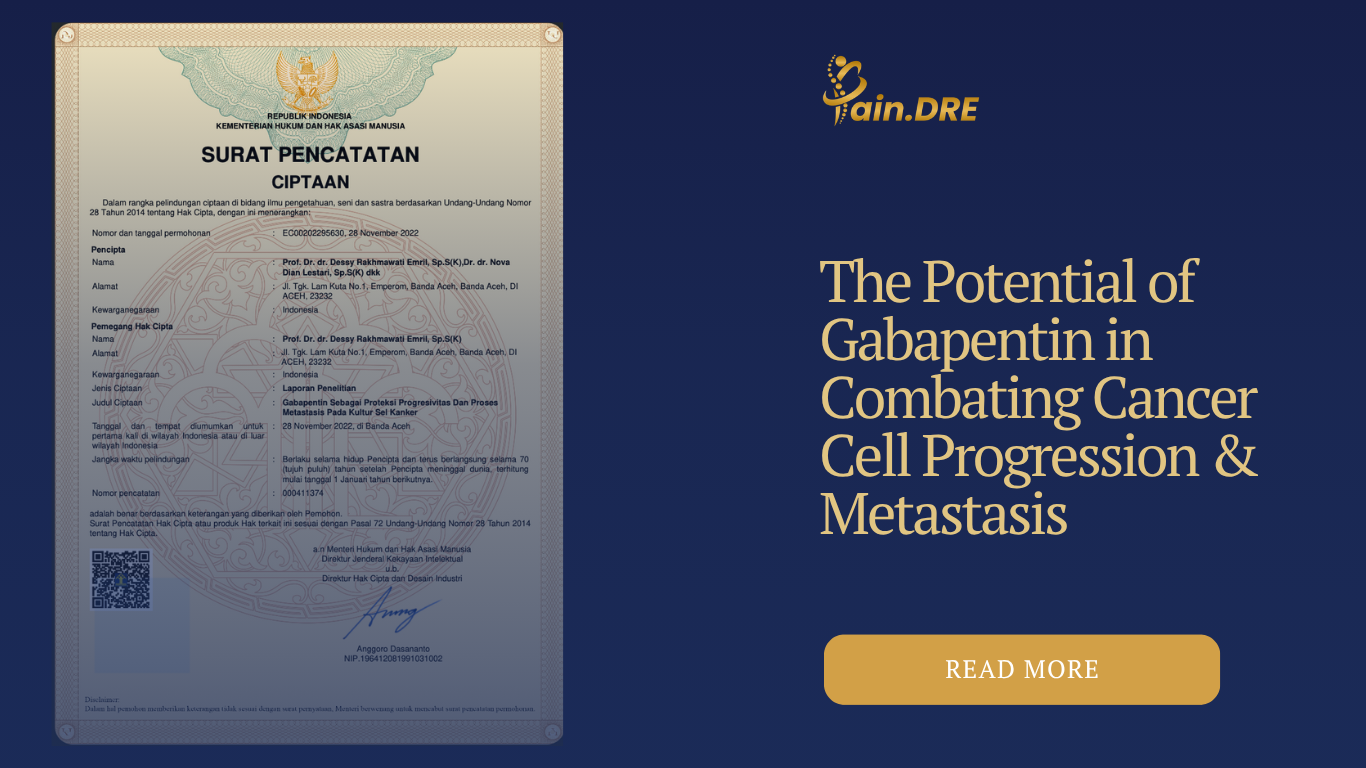
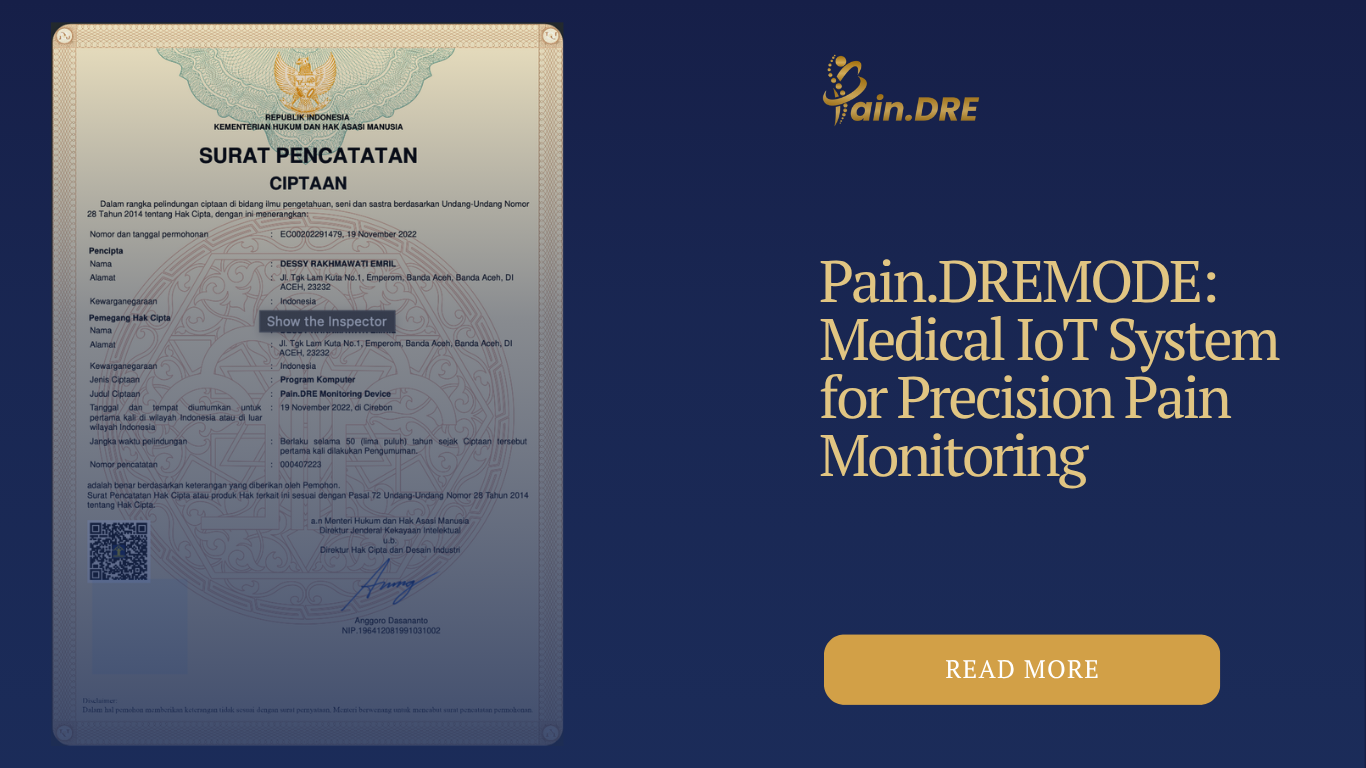
Grounded in peer-reviewed scientific literature and nationally recognized Intellectual Property Rights (IPR / HAKI), Prof. Dessy Emril actively develops treatment protocols for neurological recovery post-nerve injury. By mapping pain sources precisely, we determine whether a patient requires targeted pharmacotherapy, Interventional Pain Management (IPM), or advanced regenerative care.
When Should You Visit Pain.DRE?
Early intervention is the key to successful neurological recovery. You are recommended to schedule a clinical evaluation if you experience any of the following warning signs:
- Sharp, shooting, or burning pain radiating from your lower back down your legs, or from your neck into your arms.
- Persistent tingling and numbness lasting over a week that disrupts your sleep patterns.
- Muscle weakness in your hands or legs, unsteady balance, or frequently dropping items accidentally.
Do not let unaddressed pain diminish your productivity or limit your physical independence. To explore our non-surgical treatment standards in depth, review our published studies on our Publication Archive & Research Hub page, or book your consultation directly via our Clinical Services directory.
Disclaimer: The information provided in this article is for general educational purposes only and does not substitute for professional medical advice, diagnosis, or treatment by a qualified neurology specialist. Never disregard professional medical advice or delay seeking it because of something you have read on this website. For an accurate assessment of your health condition, please schedule an appointment directly at Prof. Dessy’s Practice.