
For most individuals living with chronic medical conditions, persistent pain is no longer just a standard biological warning signal – it becomes a physically and mentally exhausting mystery. Many patients finally seek consultation at the clinic after spending years moving from one treatment modality to another without finding satisfactory answers. This phenomenon often occurs due to a fundamental misconception: treating chronic pain purely as a surface symptom rather than as a complex language transmitted by a structurally or functionally impaired nervous system.
In modern clinical neurology, old approaches relying on generalized care without tracing specific root causes are being phased out. Through Interventional Pain Management (IPM), the core focus has shifted from guessing clinical symptoms toward real-time mapping of the exact underlying disruption. Why is this initial step so crucial? In the spectrum of medical care, establishing a precise diagnosis serves as the foundational pillar determining the long-term success of a patient’s recovery plan.
Understanding Complex Pain as the Language of the Nervous System
When an individual experiences acute pain from a routine tissue injury, signals sent to the brain are direct and easy to trace. In complex or chronic pain cases, however, this mechanism changes drastically. Both the central and peripheral nervous systems can undergo sensitization—a state where nerve cells become hyper-reactive, generating intense pain even from non-painful stimuli.
Complex pain conditions frequently involve varying neurological structures, ranging from spinal nerve root compression (radiculopathy) and facet joint dysfunction to peripheral neuropathies. Treating these distinct conditions with a uniform, broad-spectrum approach risks delaying recovery without addressing the primary pathology. Therefore, listening comprehensively to how the nervous system communicates in each individual is essential. You can learn more about this human-centered clinical philosophy on our About Prof. Dessy page.
Why Conventional Approaches Often Hit a Dead End
Many patients suffering from long-term pain rely heavily on prolonged analgesic medications. While pharmacotherapy plays a specific role in medical management, these drugs primarily dull or mask pain signals at the brain’s receptor level, rather than repairing structural damage or localized inflammation at the source.
Key challenges commonly faced in conventional pain management include:
- Limitations of Static Imaging: Conventional X-rays and static MRI scans are vital, yet static images cannot dynamically reveal which specific nerve triggers pain during active body movements.
- Overlapping Symptom Complexity: Issues like low back pain or cervical pain can originate simultaneously from muscles, ligaments, intervertebral discs, or nerve entrapments.
- Long-Term Medication Risks: Protracted reliance on high-dose NSAIDs or opioids carries risks of gastrointestinal complications, renal stress, and drug tolerance.
Unraveling this complexity requires objective diagnostic tools to identify nerve dysfunction accurately before initiating therapeutic procedures.
The Role of Interventional Pain Management in Precise Diagnosis
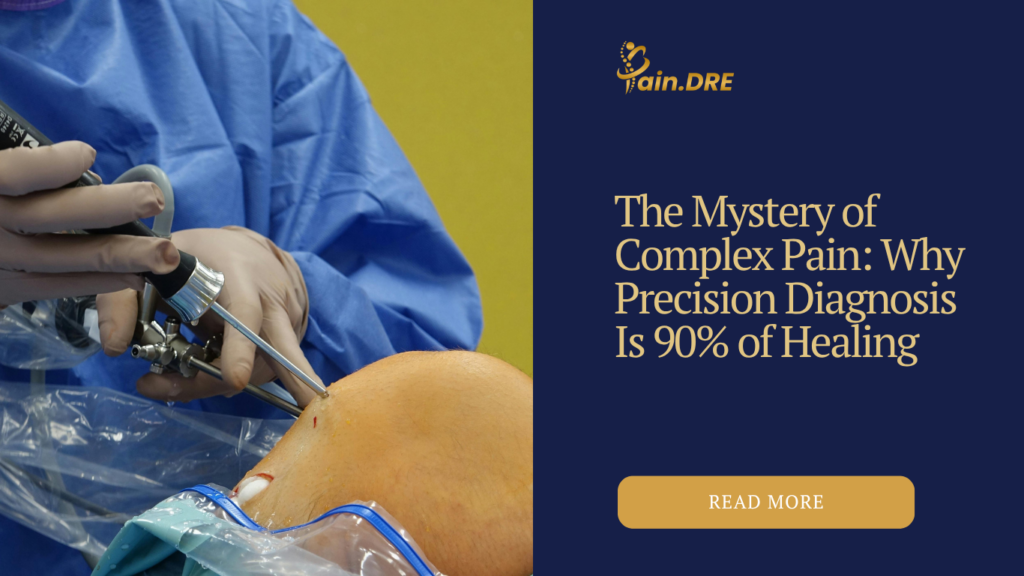
Interventional Pain Management bridges specialized neurology and advanced real-time visualization technologies. This methodology prioritizes direct pain mapping guided by high-resolution ultrasound (USG) or real-time fluoroscopy (C-arm X-ray).
Diagnostic Workflow:
Chronic Pain Evaluation –> Dynamic Neurological Assessment –> Ultrasound / Fluoroscopy Guidance –> Targeted Precise Diagnosis
Through dynamic visualization, a consultant specialist observes tissue structures, evaluates vascular flow, and pinpoint nerve entrapment locations in real time. Precise diagnosis goes beyond labeling a condition—it determines the exact millimeter coordinates of the pathology.
Once an accurate diagnosis is established, targeted, minimally invasive non-surgical procedures can be planned with high precision. Review the full spectrum of diagnostic and interventional services on our Clinical Services directory.
Synergizing Innovation, Scientific Research, and Clinical Track Records
Pinpointing complex nerve conditions at the millimeter level demands high clinical expertise integrated with evidence-based medicine (EBM). Modern medical practice requires standardized procedures ensuring every diagnostic intervention rests on validated, internationally recognized research.
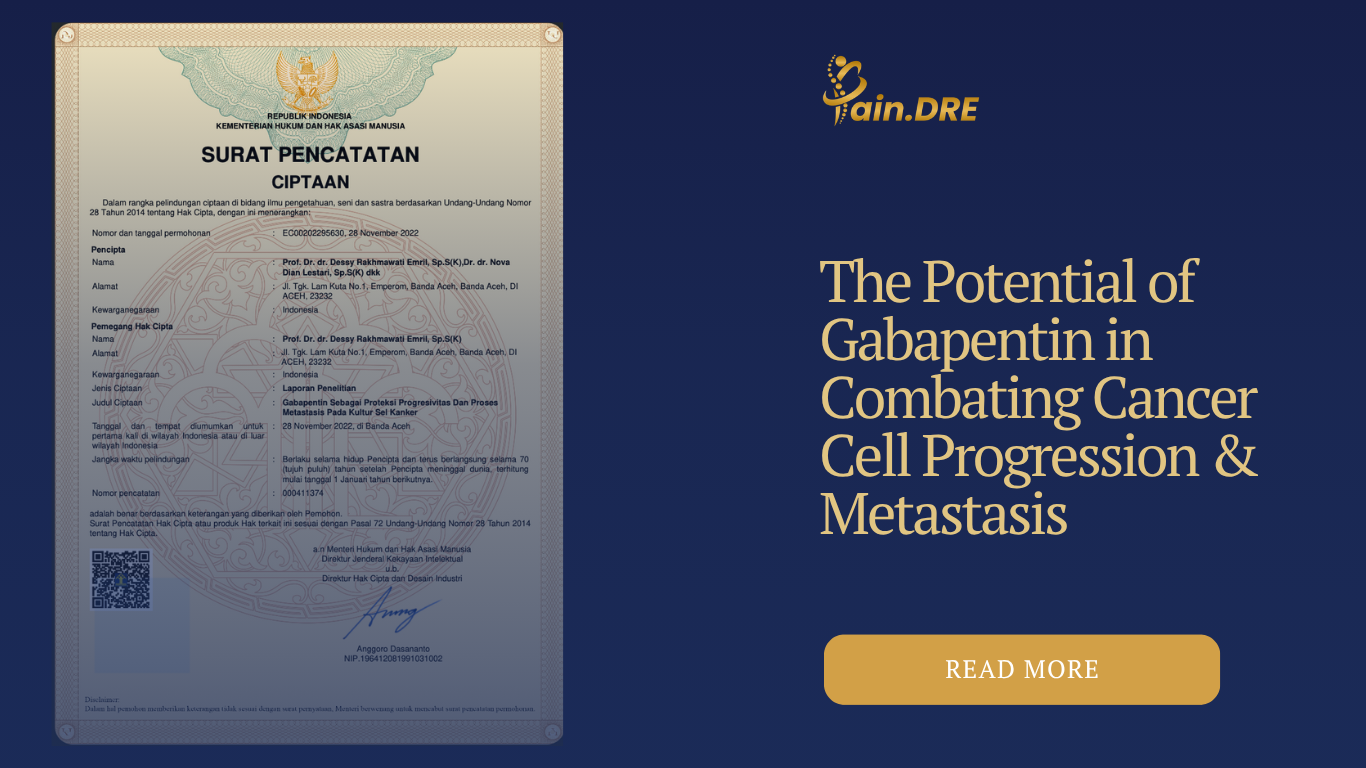
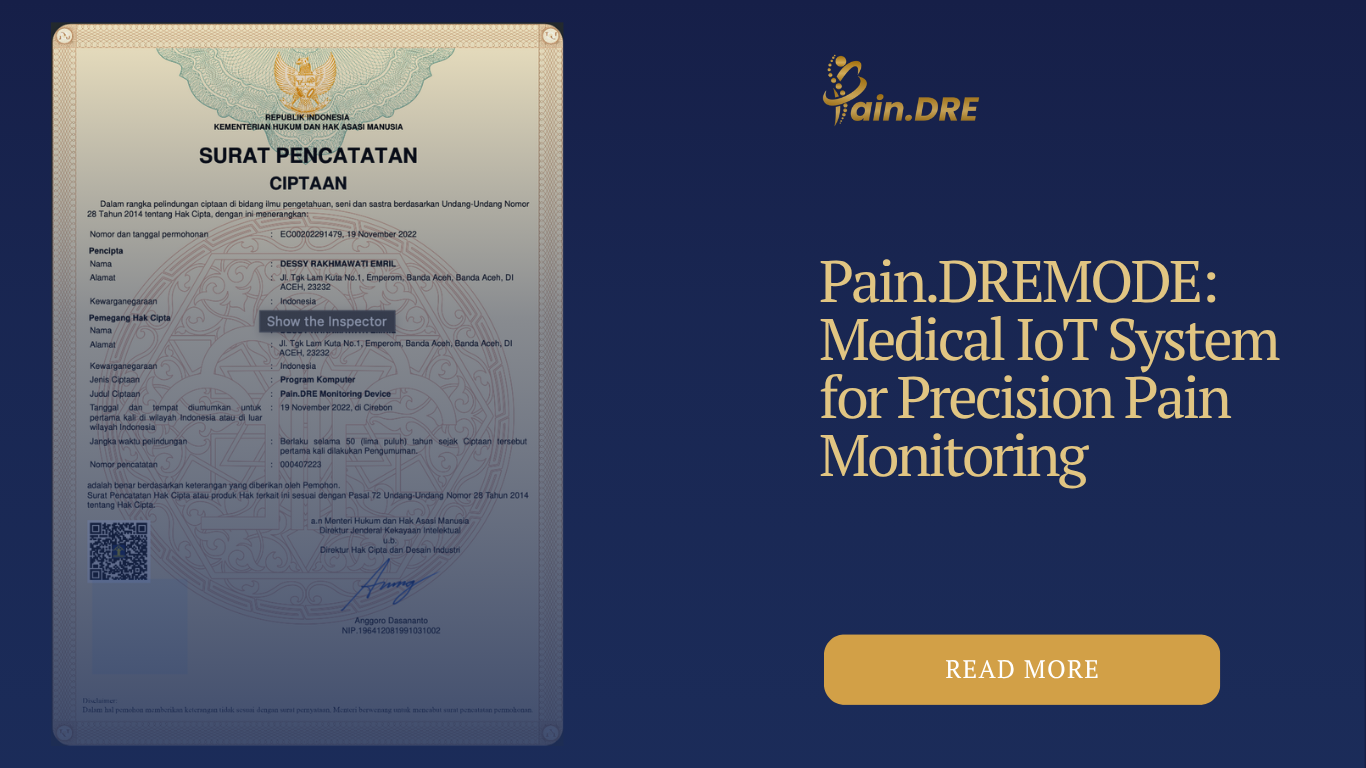
Developing digital tools for clinical decision support—such as applications tracking patient pain progression over time—is one example of innovation driving objective treatment mapping. Integrating published academic research with official Intellectual Property Rights (IPR / HAKI) continuously elevates pain management standards into personalized, measurable care. Discover scientific publications, international neurology conference proceedings, and patented medical innovations transparently on our Innovation & Achievements page.
The Impact of Validated Diagnosis on Patient Recovery
If a medical intervention is built upon an imprecise or inaccurate diagnosis, the therapeutic target inevitably misses the mark. Conversely, meticulous mapping of pain sources from the beginning allows care plans to be structured efficiently, minimizing unnecessary procedures and providing a clear path toward rehabilitation.
Restoring quality of life for patients who accurately identify their root pain source highlights the critical nature of the diagnostic phase. Individuals previously restricted by years of physical limitation can return to active, productive lives once care matches their anatomical pain profile. Explore clinical case studies and recovery tracking in detail on our Success Stories page.
Map the Source, Don’t Just Treat the Symptoms
Complex pain is not a condition to accept passively or manage with endless superficial treatments. Understanding that precise diagnosis forms 90% of recovery success is the master key to breaking free from chronic pain cycles.
If you or a family member are experiencing persistent pain without a clear diagnosis, schedule a comprehensive diagnostic evaluation using Interventional Pain Management techniques. Get in touch with our medical team to book a clinical evaluation on our Contact Us page. Precise mapping today opens the path to targeted recovery tomorrow.
Disclaimer: The information provided in this article is for general educational purposes only and does not substitute for professional medical advice, diagnosis, or treatment by a qualified neurology specialist. Never disregard professional medical advice or delay seeking it because of something you have read on this website. For an accurate assessment of your health condition, please schedule an appointment directly at Prof. Dessy’s Practice.